

9 of my essential tips for driving in Europe as a tourist!
Europe is a dream destination for many people! It’s a varied continent of 44 countries, with stunning scenery, fascinating history, and impressive culture. What’s more, it is relatively easy to travel around by car. That is, if you know the rules of the road and understand local driving styles.
Yes, driving in many parts of Europe is like diving into a storybook where each page flips to a new scene of wonder, culture, and excitement. Picture yourself cruising along while stunning landscapes roll by – from the lush vineyards of France to Italy’s sunny shores. Europe’s roads are a delightful mix of old and new, where cobblestone lanes lead to sleek highways.
So, if you’re considering driving in Europe, here are some things to consider before you get in the car!
Our Tips for Driving in Europe




Exploring Europe by car offers an unparalleled sense of freedom, allowing you to pass by stunning landscapes, visit hidden gems, and experience cultures at your own pace. However, driving in Europe can also present unique challenges, especially for tourists unfamiliar with local customs and regulations. So, here are some essential tips to ensure your drive is safe, enjoyable, and stress-free.
1. Understand the driving laws and regulations
Europe is a patchwork of countries, each with its own set of driving laws and regulations. Before you hit the road, it’s crucial to familiarize yourself with the rules of the countries you’ll be visiting. While most of the countries here drive on the right-hand side of the road (like Spain, Italy, France, Germany, etc.) For the United Kingdom, Ireland, and Cyprus, driving is on the left.
Speed limits, road signs, and parking rules can also differ drastically, so investing time in research is essential.
Also, drinking and driving is illegal in all European countries (the legal limit for Blood Alcohol Content (BAC) varies from country to country), as is driving while on the phone or without a seatbelt. You’ll also need to understand basic signs for each country, including speed limits.
2. Have all the necessary documents
When driving in Europe, ensure you have all the necessary documentation. This typically includes a valid driver’s license, vehicle registration, proof of insurance, and, in some cases, an International Driving Permit (IDP). The IDP is a translation of your license and, though not always required, is recommended for non-EU drivers to prevent potential issues with local authorities.
Additionally, some countries require specific safety equipment in your car, such as reflective vests and warning triangles.
3. Understanding roundabouts
Roundabouts are a common feature on European roads and can be a source of confusion for drivers unfamiliar with them. Understanding the flow of traffic – typically giving way to vehicles already on the roundabout – is crucial. Approach roundabouts with caution, signal your intentions clearly, and keep an eye out for cyclists and pedestrians who may also be sharing the space.
4. Be mindful of fuel types and prices
Fuel prices in Europe can be significantly higher than in other parts of the world, and they can fluctuate from country to country. It’s wise to research average fuel prices in the countries you plan to visit and budget accordingly. Additionally, be aware of the fuel type required for your rental car. Some vehicles in Europe run on diesel, which can be a costly mistake if you fill up with the wrong fuel.
5. Keep the language barrier in mind
While English is widely spoken across Europe, especially in tourist areas, road signs and local driving terms can still be a challenge. Familiarize yourself with basic road-related vocabulary in the languages of the countries you’ll be visiting. This will not only help you understand road signs but also enable you to ask for directions or assistance if needed.
6. Toll Roads and Congestion Charges
Many European countries operate toll roads, and it’s important to factor these costs into your travel budget. Toll payment methods vary, from cash and credit cards to electronic toll tags. In urban areas, some cities have congestion charges, such as London’s congestion charge, which applies to vehicles driven in the city center during peak hours. Research these fees in advance to avoid unexpected expenses.
7. Parking can be tricky
Parking in European cities can be a challenge, particularly in historic centers where space is limited. Look for designated parking areas or parking garages, and be aware of parking restrictions and fees. In some cities, park-and-ride facilities offer a convenient and cost-effective solution, allowing you to park outside the city center and take public transport to your destination.
8. Be aware of Environmental Zones
Several European cities have established low-emission zones to combat air pollution. These zones restrict access to vehicles that do not meet specific emission standards. Before driving into these areas, check if your vehicle complies with the regulations and whether you need to purchase a permit, such as Germany’s Umweltplakette.
9. Adapt to local driving styles
Driving styles can vary greatly across Europe. While some countries are known for relaxed driving, others might be more fast-paced. Adapt to local driving habits for a safer experience, and always practice defensive driving. Keep a safe distance from the vehicle ahead, be cautious at intersections, and remain vigilant for pedestrians and cyclists.
Renting a Car in Europe

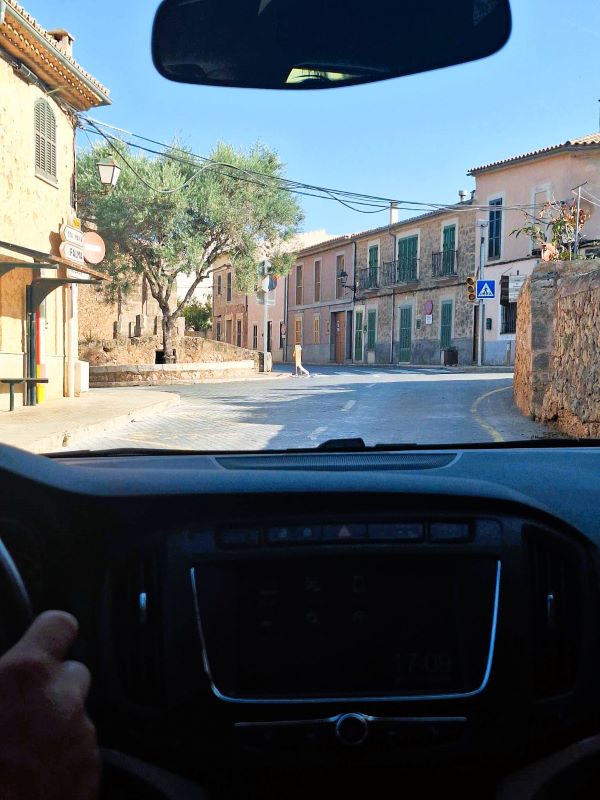


Before you rent a vehicle and start driving in Europe, you probably have a few questions you want answered. Well, that’s where I come in. We’ve rented a car in numerous European countries – like Madeira, Mallorca, Ireland, and Lanzarote. So, I know all about driving in Europe, the cross-border rules when renting a car here, and the best car rental companies in Europe!
FYI, we always book our rental car through Discover Cars – which is a search engine for rental cars and allows you to filter by price if you’re on a budget or by vehicle type if there’s a specific car you’re after.
Book your hire car in advance
You’ll want to book your hire car well in advance, so that you can make the most of any discounts. Make sure you know what you’re signing up for, and you’ve checked the fine print thoroughly. You’ll also need to make sure you have all relevant documents with you.
For example – do you need an international driving permit? You’ll need to leave some documentation and ID with the rental company. And you’ll likely have to pay a deposit too. Check if you need to fill up the car with gas before returning it, or if you need to clean it. It’s good to know these things, so you get no nasty surprises at the end of your epic trip.
Plan out your route a few months out
Europe is well connected, but it’s also more extensive than many people might think. You most likely won’t cover the entire continent. So, before you book your flights, it’s a good idea to know what key regions you can’t miss out on seeing. Then you can start planning out your route to cover all the key tourist spots.
Don’t pack your schedule too tightly, though. You’re bound to find some places off the beaten track that capture your imagination. Or you might even get some recommendations from the locals, so you’ll want time to fit those in.
Get the right equipment for your rental car
If you don’t already have one on your phone, you’ll need a satellite navigation device to help you get around. But don’t discount traditional maps either. These could help you in a pinch, especially if you experience technical difficulties. Consider if you need a roof rack to store extra gear such as bicycles or ski equipment. You may be able to ask for a hire car with racks.
It’s also vital that you carry safety equipment with you, especially when going on long journeys. Keep a spare tire in the trunk, along with a high-vis jacket and torch. It’s also a good idea to keep some extra drinking water and a blanket, just in case. Make sure you know the emergency numbers for the countries you’re visiting and the contact details for insurance. Add these to your phone to be sure.
Renting a campervan in Europe
There are plenty of campervan rental companies in Europe. We found ours through Motorhome Republic, a handy website that lists all the campervan rental companies in Europe. We eventually chose a mid-size camper with a kitchen and bathroom – and it turned out to be perfect for us.
And the best thing about Europe with a campervan is that you can freedom camp (no need to check into a campsite each night). However, there are strict rules on this; for example, you can only do so in designated areas.
The best road trips in Europe according to travelers:
Embarking on a road trip in Europe offers a chance to explore diverse cultures, stunning landscapes, and historic landmarks. Here are some of the best-rated road trips by travelers:
- Amalfi Coast, Italy: Close to Naples, it’s renowned for its breathtaking coastal views, winding roads, and charming villages; this drive is perfect if you’re seeking a mix of natural beauty and Italian culture.
- Ring of Kerry, Ireland: This scenic loop in southwest Ireland is celebrated for its lush landscapes, rugged coastline, and historical sites, providing a glimpse into Ireland’s rich heritage.
- Route des Grandes Alpes, France: Stretching from Lake Geneva to the Mediterranean, this route offers dramatic alpine scenery, charming villages, and challenging mountain passes.
- North Coast 500, Scotland: Often referred to as Scotland’s answer to Route 66, this 500-mile route showcases the stunning beauty of the Scottish Highlands, with lochs, castles, and beaches.
- Romantic Road, Germany: This picturesque route winds through medieval towns, fairy-tale castles, and vineyards, capturing the essence of Germany’s charming countryside.
- Iceland’s Ring Road: A journey around Iceland’s perimeter, this road trip is a must for nature lovers, offering volcanic landscapes, hot springs, and waterfalls.
- Trollstigen, Norway: Known as the “Troll’s Path,” this road features hairpin bends, steep inclines, and awe-inspiring views of Norway’s fjords and mountains.
You are now ready for your European road trip 🙂

So, there you have it: a summary of the most important things to consider before your European road trip. If you take all of the above into account, we promise you will have an amazing experience. Europe is a gorgeous place. And if you don’t have anything planned this summer, it’s well worth considering a European road trip.
You may also enjoy reading –
Best Road Trips in Mallorca (+ Renting a Car in Mallorca Guide)
Best Road Trips in Madeira (+ My Guide to Renting a Car in Madeira)
Renting a Car in Ireland: A Fool-Proof Guide for 2026
My Car Rental Guide for the United States
Last Updated on November 10, 2026 by snaphappytravel