

Planning on roadtripping around Europe? Excellent idea! We may be biased as we’re European, but we think (provided time is on your side), there’s no better continent to drive across than Europe.
I mean, Europe is home to some of the world’s most bucket-list-worthy countries like Italy, Greece, and Iceland. And if you want to see a lot (namely, off-the-beaten-path spots), it’s best to rent a car, as it means you can explore at your own pace and see some true hidden gems.
That said, before you rent a vehicle and start driving in Europe, you probably have a few questions you want answered. Well, that’s where I come in. We’ve rented a car in numerous European countries – like Madeira, Mallorca, Ireland, and Lanzarote. So, I know all about driving in Europe, the cross-border rules when renting a car here, and the best car rental companies in Europe!
So, in the blog post below, we have collected the most common mistakes to avoid when renting a car in Europe. To ensure you have the best experience! These include risks such as failing to obtain Schengen travel insurance if you have obtained a Schengen visa, overlooking parking and city zoning restrictions, neglecting fuel planning, and more. Hopefully, it will make the process much easier for you.
Mistakes to Avoid When Renting a Car In Europe
1. Not getting full car insurance


Underestimating the need for appropriate insurance is the most common mistake travelers make when renting a car in Europe. Buying third-party insurance without doing proper research first may leave you worse off.
It is very important that you opt for full insurance coverage, as it will ease your mind. It eliminates your significant financial responsibility for damage or theft, including the deductible, while also covering frequently excluded components such as tires and glass, and adding personal accident and property coverage. This shields you from unexpected large expenses for common occurrences like chips or punctures, which are often not covered by standard insurance policies.
And in our opinion, it is best to go with leading car rental companies like Hertz, Enterprise, Sixt, Budget, Avis, etc.
We always book our rental car through Discover Cars – which is a search engine for rental cars and allows you to filter by price if you’re on a budget or by vehicle type if there’s a specific car you’re after.
It is also essential to be aware of local insurance policies. For example, travelers are often charged extra when renting a car because they lack knowledge. So, watch out for additional driver fees, fuel charges, cross-border charges, and late return fees.
💡If you need a Schengen Visa to visit Europe, then you may require special Schengen visa insurance if you enter the zone or have to cross some of the zone borders to get to your destination.
2. Not knowing about cross-border rules

Renting a car in Europe for cross-border travel is typically permitted, but it requires explicit approval from the rental company. Policies, fees (ranging from €20 to €60 or more), and necessary documents, such as a VE103 certificate, can vary widely depending on the countries you plan to drive through and the car rental company you choose.
Most rental agencies consider Western and Central European countries within the Schengen Area as easy to drive through, but it’s always important to verify the specific requirements for your intended route and vehicle type with the car rental company.
3. Plan for fuel and charging needs
Depending on your destination, you may drive through areas with few gas stations or charging stations, or you may run out of fuel before reaching the next one. So, it’s best to plan your route ahead of time to avoid this. A good rule of thumb is to never let your fuel tank get below the quarter tank level.
Also, it is best to plan for varying fuel prices – for example, fuel tends to be higher in countries like Iceland, Denmark, etc.
4. Don’t overlook parking and city zone restrictions
Europe implements various city zone restrictions, such as Low Emission Zones (LEZs), Ultra-Low Emission Zones (ULEZs), and congestion charges, to enhance air quality by restricting access for high-polluting vehicles (predominantly diesel engine vehicles).
Thus, in some cities (like Paris, France, and London, England), you may not be able to enter the city center in your car; in others, you may be required to pay special taxes for a traveler’s permit.
5. Not renting the right vehicle for your trip
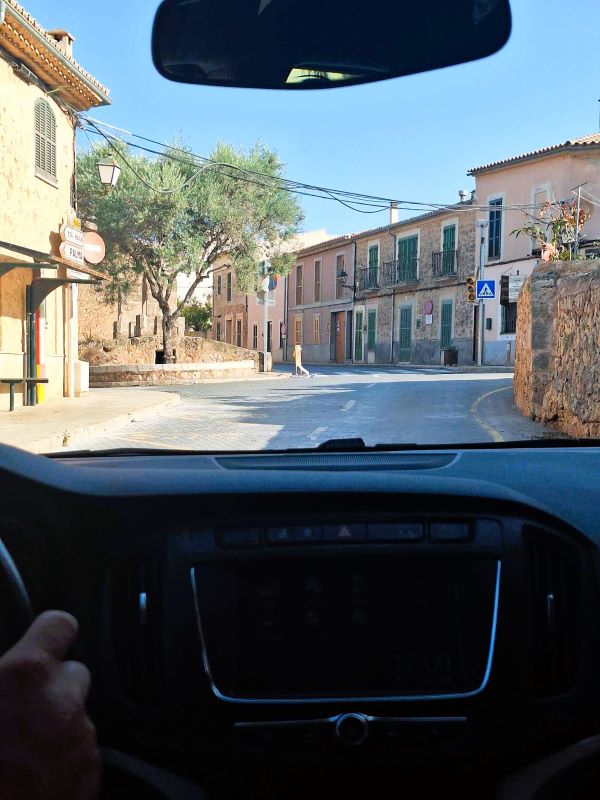

Depending on where you want to go in Europe, you will need to rent an appropriate car for your trip. For example, Europe has many wonderful mountainous areas, where you will likely need a 4WD, and many stunning historical cities with narrow streets, where renting a smaller, more maneuverable car is advisable, as it will help you handle the tight turns and limited parking spaces more easily.
It is so important to align your rental options with your travel itinerary; otherwise, you may find yourself stuck on a narrow street in the middle of a historic city or not being able to go any further on a mountainous road.
🚗 TOP TIP 🚗 As I said earlier, we always book our rental car through Discover Cars – which is a search engine for rental cars and allows you to filter by price if you’re on a budget or by vehicle type if there’s a specific car you’re after.

6. Keep in mind weather conditions and seasonal changes
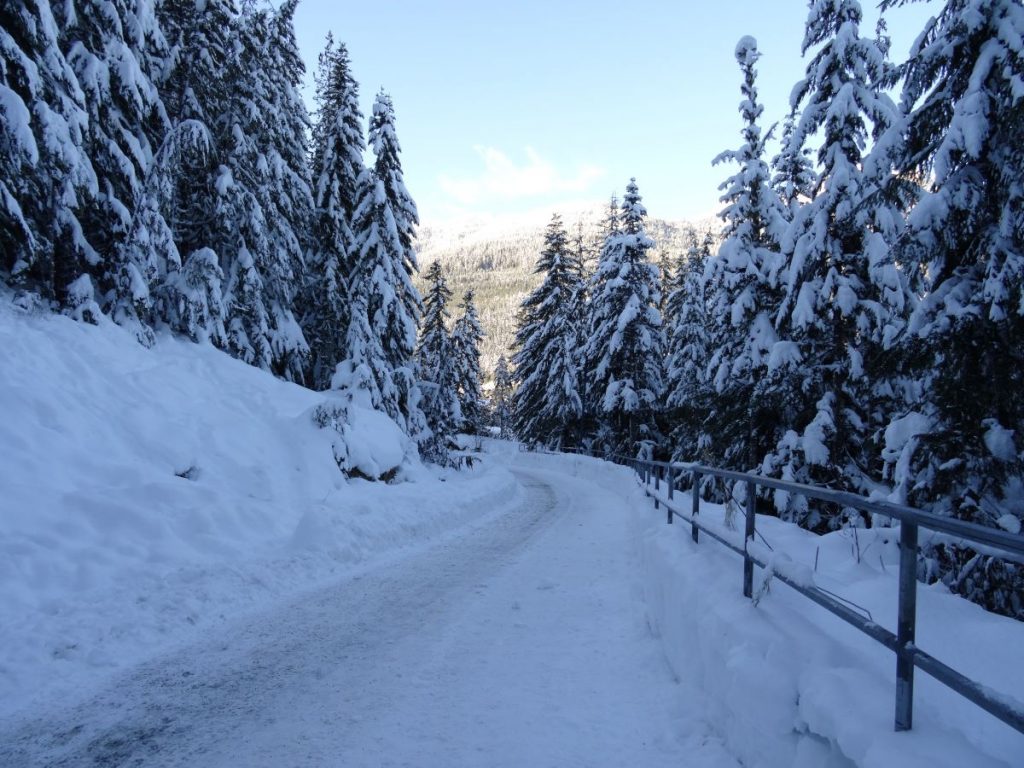
Disregarding weather conditions and seasonal changes when driving in Europe can lead to significant safety risks and legal issues.
European weather varies greatly from one region to another, with some areas experiencing harsh winters with snow and ice, while others may have heavy rain or fog. Ignoring these conditions can result in reduced visibility, slippery roads, or unexpected obstacles, increasing the likelihood of accidents.
Additionally, many European countries have specific regulations regarding the use of winter tires or snow chains during certain months, and failing to comply can result in fines or penalties.
To ensure safety and compliance, you need to stay informed about local weather forecasts, adapt your driving habits to the conditions, and make sure your vehicle is equipped appropriately for the season and region you are traveling in.
7. Do you need an International Driver’s Permit?

Some countries in Europe require you to have an International Driver’s Permit (IDP); these include Spain, Germany, Italy, Slovenia, Slovakia, Poland, Serbia, Hungary, Austria, the Czech Republic, Romania, Bulgaria, and Estonia. Now, you may not be required to show your IDP when picking up your rental car in these countries, but we still advise having one just in case.
What is an International Driver’s Permit, you may ask? Well, an IDP translates your driver’s license into 10 different languages, including your name, photograph, and driver details. It’s crucial to understand that an IDP is not a substitute for your driver’s license or passport but rather a supplement to your driver’s license.
💡Drivers typically need to be at least 21 years old to rent a car in Europe. Though some companies might require a minimum age of 25. Young drivers under 25 may incur a surcharge.
8. You may be stopped for a road inspection
Everyone should be prepared for the situation when their car breaks down on the road. If this happens, please note you may be asked to show a handful of different documents and permits to either the recovery company or the police, including:
- A driver’s license for EU citizens or a driver’s license with a driver’s permit for non-EU citizens
- Vehicle registration (which proves you have the right to drive a car if you are the owner)
- Insurance documents (proving the car is insured),
- Technical inspection certificate
- ID or a passport
- A sticker displaying a road tax paid (only applicable in some countries)
- A breakdown kit
- An international insurance certificate (also known as “green card”),
- The European accident statement.
(**Please note that many of the above documents will be included in your vehicle by the rental company – you will either find them in the glove compartment or in the trunk.)
9. Use local apps

It makes sense to use local road and travel apps when driving through Europe. They often include important warnings about things you have to pay attention to, like road fees, parking rules, and low-emission zones.
Also, these apps will give you valuable information about free parking zones, fuel prices, toll fees, and real-time traffic.
Some good apps we used when driving through Europe include –
- Here WeGo / Navmii: Ideal for general navigation. You can download offline maps for when you don’t have a data connection
- Waze: Great real-time traffic, police stops, and other hazards, but requires data.
- Fuel Flash / GasBuddy: Helps you find the cheapest fuel prices in your area.
10. Skipping out on cultural etiquette and local driving customs

Local driving customs are often not highlighted in driving manuals, but they play a significant role on the road. Therefore, it makes sense to do a little bit of research on these before you start to drive here.
For example, in Italy, the driving style tends to be more aggressive than in Scandinavian countries. Also, in some countries, you must understand a bit of local culture so that you can understand the non-verbal signs of communication on the road, such as honking, gestures, etc. For example, in Spain (and many other countries), the last car in a traffic jam may put on its hazard lights to alert approaching drivers to the hold-up.
Also, generally, Europeans drive on the right-hand side of the road, except in the United Kingdom, Ireland, Malta, and Cyprus, where driving is on the left. And speed limits are typically posted in kilometers per hour as opposed to miles per hour.
Another point that requires thought is that if you plan to travel through rural areas where you may have to share the road with livestock, such as cows, sheep, and horses. In this case, drivers are expected to be patient, slow down, and stop to let animals pass, rather than honk aggressively.
These detailed driving guides may help you for driving through Europe, it costs $69.99 USD for the first year and the $29.99 for each year thereafter. It includes driving guides for Italy, Spain, Germany, France, the UK, and Ireland (with more countries to be added).
11. Not taking enough breaks

Not taking enough breaks during long drives can pose several risks. Firstly, driver fatigue is a significant concern, as it can lead to decreased alertness, slower reaction times, and an increased likelihood of accidents.
Long stretches without rest can also cause physical discomfort, such as back pain and leg cramps, which can further impair driving ability. Additionally, continuous driving without breaks can contribute to mental fatigue, reducing concentration and decision-making skills.
Beyond safety concerns, skipping breaks means missing out on the opportunity to explore local attractions, enjoy the cuisine, and immerse oneself in the unique surroundings Europe has to offer.
💡Fast facts about driving in Europe:
- Generally, in Europe, they drive on the right-hand side of the road, except in the United Kingdom, Ireland, Malta, and Cyprus, where driving is on the left.
- Speed limits are in kilometers per hour.
- Roundabouts are common, and drivers entering the circle must yield to those already in it.
- Manual transmission cars are more prevalent than automatics.
- Several cities have low-emission zones where only certain vehicles are allowed in the CBD to address environmental concerns.
Summing it up!

Renting a car and driving around Europe involves extensive preparation and research. You need to consider legal requirements, plan the trip’s duration and budget, find parking and accommodations, understand border crossing details, choose the appropriate vehicle, and familiarize yourself with the necessary documents for various situations.
Although this planning may seem daunting at first, I promise it is worthwhile, as it will undoubtedly be the adventure of a lifetime. I know it was for us!
You may also enjoy reading –
What You Need to Know About Renting a Car in Costa Rica
What You NEED to Know About Renting a Car in Australia
Things To Know Before Renting a Car in New Zealand
8 Tips for Renting a Car in Phoenix, Arizona
Last Updated on August 18, 2026 by snaphappytravel