

Vacationing in Ireland is a dream for many, with its rolling green hills, ancient castles, and charming villages – it truly is a bucket list destination. And even though renting a car in Ireland is a popular choice, especially for exploring more rural areas (which can be hard to get to without a car), it’s not the only way to experience the beauty and culture of Ireland.
Thankfully, public transport in Ireland offers a reliable and often more relaxing alternative, allowing you to sit back, enjoy the scenery, and even strike up a conversation with a local or two.
Really if you plan to only visit the major cities – like Dublin, Cork, Galway, and Belfast you really don’t need a rental car, as public transport between Ireland’s major cities is regular and reliable.
In this guide, we’ll delve into the details of navigating Ireland using buses, trains, and even ferries, ensuring your journey is just as magical as your destination.
Getting Started: Planning Your Journey
Before diving into the specifics of buses and trains, it’s crucial to plan your itinerary. Ireland’s public transport network is extensive, but some remote locations may require a bit more creativity to reach. Start by identifying the key destinations you want to visit, such as Dublin, Galway, Cork, and the Cliffs of Moher. Once you’ve got your must-see list, you can begin mapping out the best routes and transport options.
We like to use Omio for planning our travels in a new place; it’s a super-handy website for searching public transport options as well as flights.
Dublin as your starting point
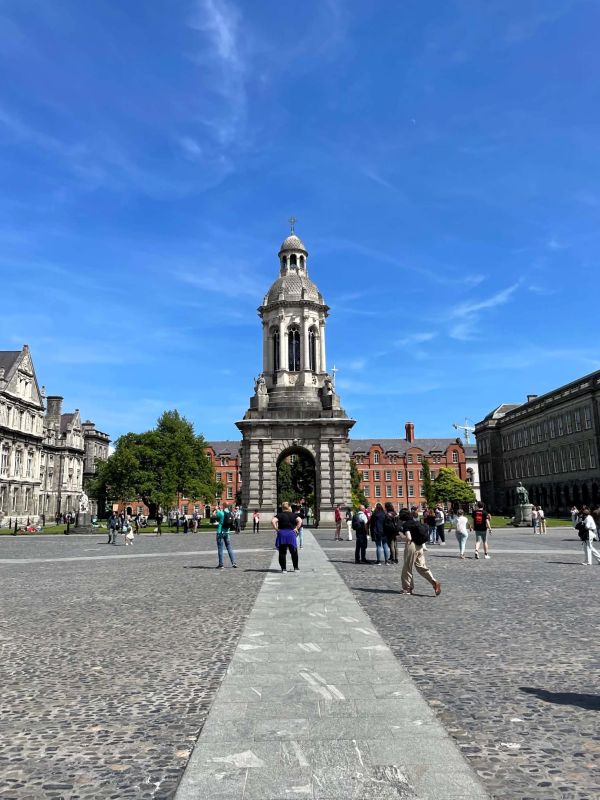
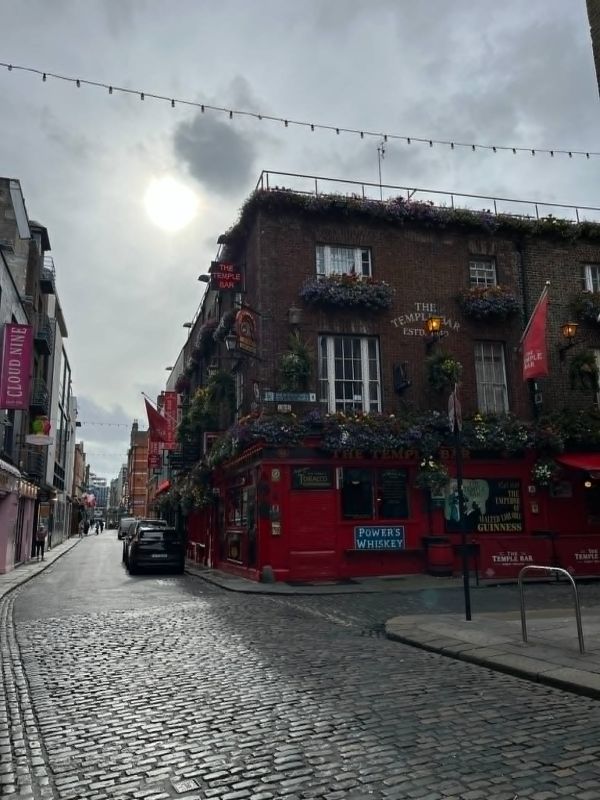
Most international travelers begin their Irish adventure in Dublin, the bustling capital city. Dublin is well-connected and serves as a perfect launching pad for exploring the rest of the country. Within the city, the Dublin Bus service is your go-to for getting around. It’s efficient, affordable, and reaches all corners of the city. For a faster option, hop on the Luas, Dublin’s light rail system, which has two main lines – Red and Green – covering key areas.
For getting out of Dublin, your best bet is to head to Connolly or Heuston Station, depending on your destination. These major train stations link Dublin to other Irish cities, with Irish Rail (Iarnród Éireann) providing services across the country. Booking your tickets in advance online can save you money and guarantee a seat, especially during peak travel times.
Shannon as your starting point
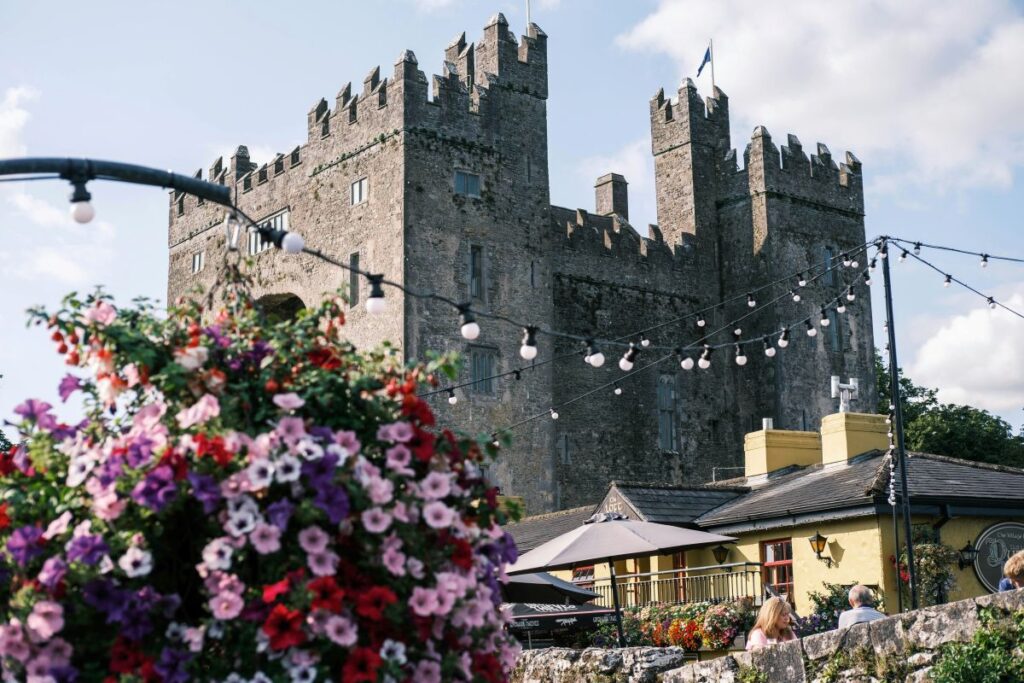
Another popular airport to fly into for American travelers is Shannon Airport in County Clare. This small-ish airport welcomes flights from Boston (BOS), New York (JFK), Newark, New Jersey (EWR), and Chicago (ORD).
There really isn’t much in Shannon, but it is very close to Bunratty Castle and Limerick City, and it’s also the closest airport to the Cliffs of Moher. But because it is a smaller airport, the best way to get out of here is on public transport.
Bus Éireann provides services to major cities such as Limerick, Galway, and Cork. These buses operate regularly and connect with other regional and intercity services, making it easy to travel further afield. Additionally, there are private coach services that offer direct routes to Dublin and other locations. If you want to go nearby (like Bunratty) or need more flexible travel, taxis are readily available outside the terminal.
There is no direct train service from Shannon Airport, but you can take a bus to Limerick or Ennis, where you can access Irish Rail (Iarnród Éireann).
Belfast as your starting point
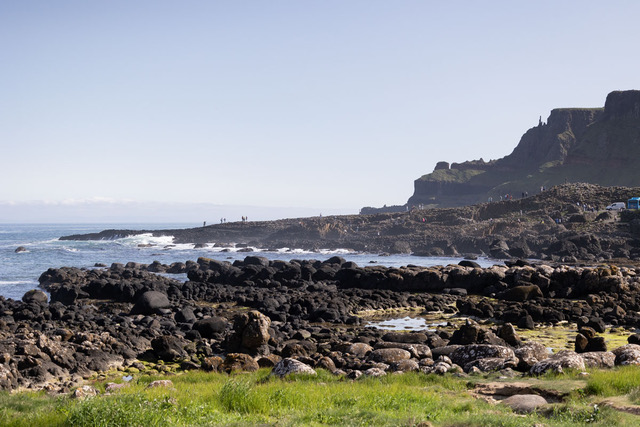
There are no direct American flights into Belfast International Airport, but it does welcome flights from most major destinations in Europe and the U.K. If you’re keen to see spots like the Giant’s Causeway, the Dark Hedges and Belfast City itself, then this is the airport you should aim to fly into.
The Airport Express 300 bus service is the most convenient choice for getting into Belfast city centre. Buses typically run every 15 to 20 minutes during peak times, and the journey takes about 30 to 40 minutes. Additionally, for destinations outside Belfast, Ulsterbus services, operated by Translink, connect the airport to various locations across Northern Ireland. And if you want to go to Dublin, the Aircoach service offers a direct route to the city. Taxis are also readily available outside the arrivals area.
Cork as your starting point
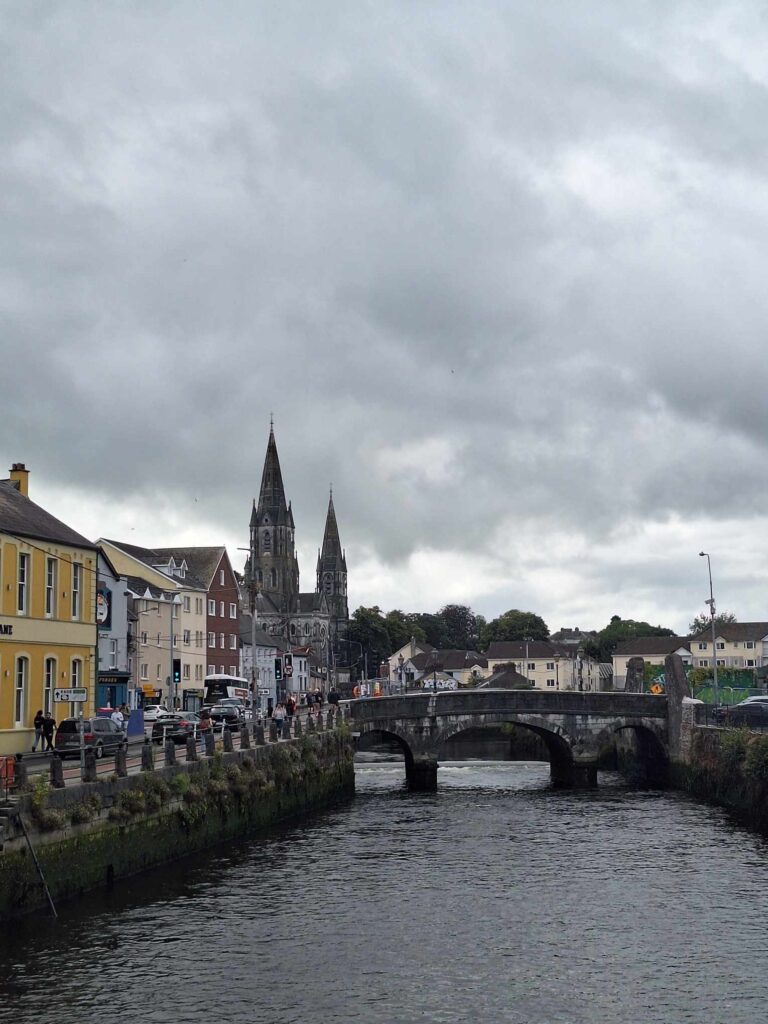

Cork Airport welcomes flights from most major European and U.K. destinations – it doesn’t receive direct flights from the U.S.
Cork Airport is where you should fly into if you want to tick off places like Kinsale, Killarney and Dingle.
Bus Éireann operates the Route 226 bus, which runs regularly between the airport and the city, providing an efficient and affordable travel option. The 226 also runs to Kinsale. Additionally, there are private shuttle services that offer direct routes to popular destinations. And of course, taxis are readily available outside the arrivals hall
Trains and Buses in Ireland
The bus service in Ireland is fairly reliable for the most part, and the train service, although limited to major towns and cities, is reliable, too.
We use Omio a lot to plan our public transport routes:
Irish Rail: The scenic route
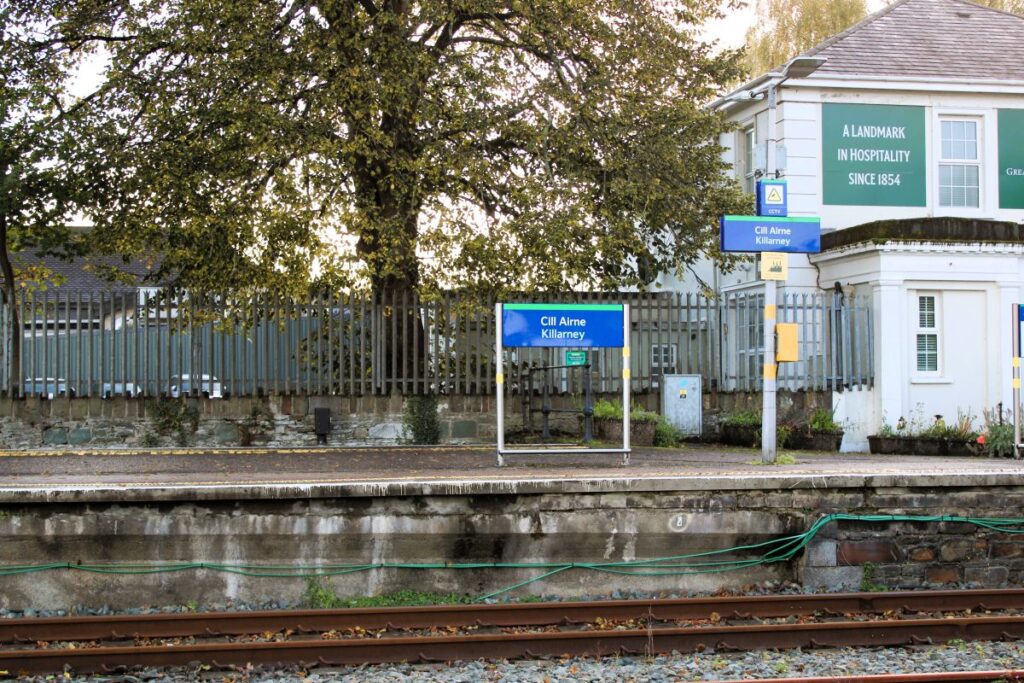
Irish Rail is the backbone of public transport in Ireland, offering scenic and comfortable journeys between major cities and towns. The railway network covers much of the country, making it easy to traverse long distances without the hassle of driving. But there are limited train stations – I believe there are around 148 train stations in Ireland. So, what I’m saying is the distance between stops is greater here than, say, in the U.K.
Routes like Dublin to Galway or Cork to Killarney in particular offer stunning views, so grab a window seat and enjoy the ride.
Ticket prices vary based on the time of booking and travel class, so it’s wise to book early. Consider purchasing a rail pass if you plan to travel extensively by train, as it provides unlimited travel on the network for a set period.
Bus Éireann: Public bus service in Ireland
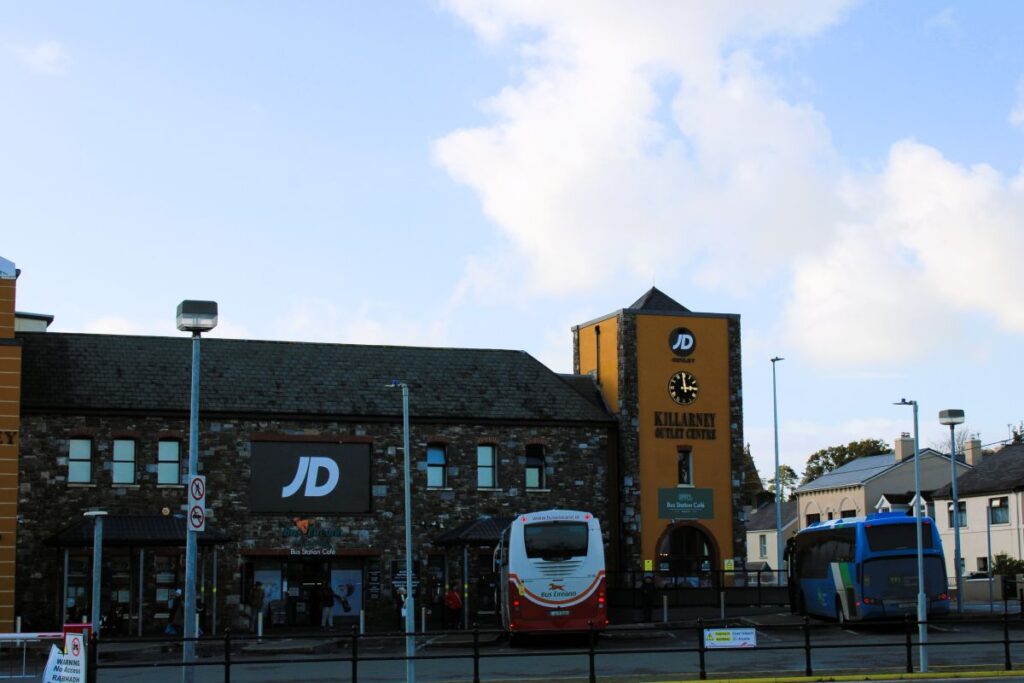
For areas not served by rail, Bus Éireann is an excellent alternative. This national bus service connects cities and rural areas alike, ensuring you can reach even the most tucked-away corners of Ireland. Buses are generally comfortable, with free Wi-Fi available on many routes, and they often provide a glimpse into local life as you travel through smaller towns and villages.
The Expressway service offers faster, direct routes between major cities, akin to the train network, while local services connect smaller communities. Tickets can be purchased online or at stations, and the Leap Card – a prepaid travel card – can be used on Bus Éireann as well as other public transport services.
The Luas: The Light Rail Service in Dublin City
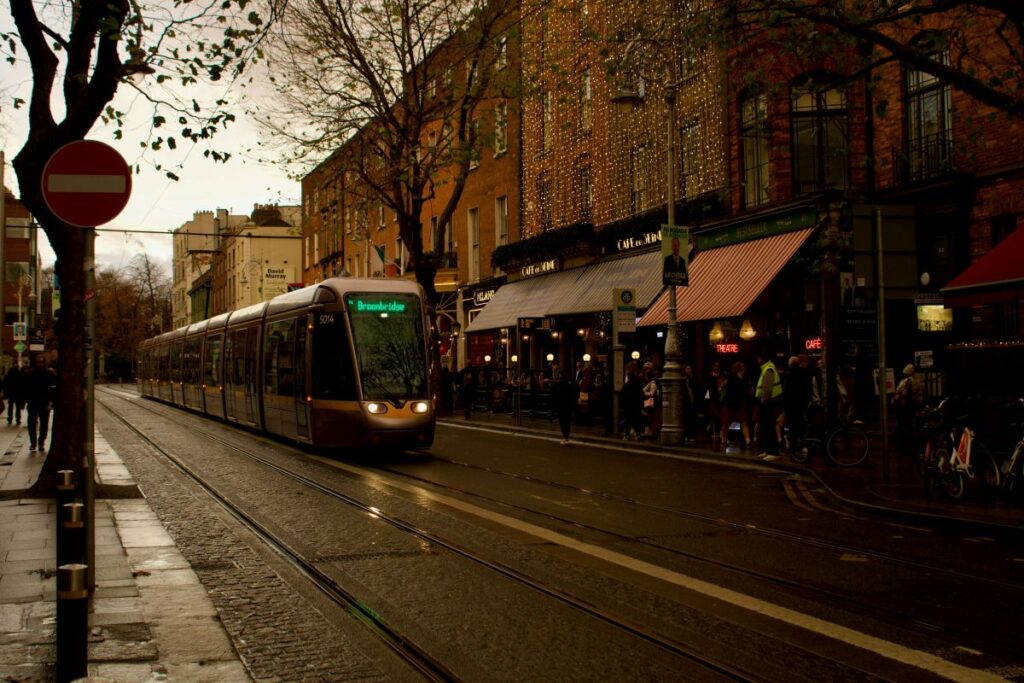
Introduced in 2004, the Luas consists of two main lines: the Green Line and the Red Line. The Green Line connects the city center to the southern suburbs, while the Red Line stretches from east to west, linking the Docklands and Tallaght.
Tickets can be purchased at kiosks located at each stop, and contactless payment options are available as well. Handily, it provides access to popular sites such as St. Stephen’s Green, the National Museum, and Temple Bar.
Navigating the Coasts: Ferries

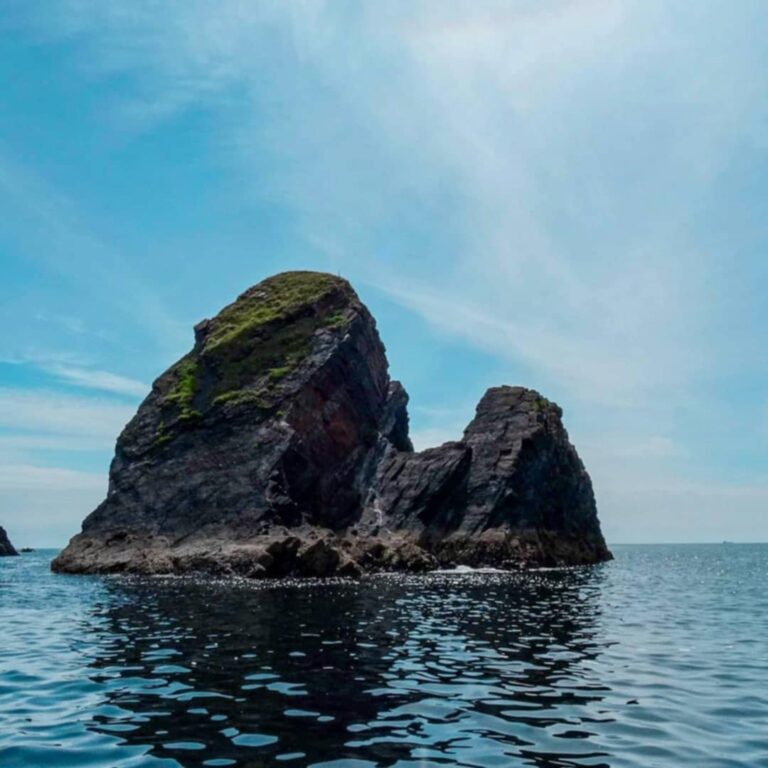
Ireland’s stunning coastline is one of its biggest draws, and while trains and buses can take you close, ferries are sometimes necessary to reach certain islands. The Aran Islands, for example, are a popular destination off the coast of Galway. Ferries depart regularly from Doolin and Rossaveal, with journeys offering beautiful views of the Atlantic Ocean.
For a unique experience, consider the Waterford Greenway, a scenic walking and cycling path that follows a disused railway line. While not strictly public transport, bike hire services are available, allowing you to explore at a leisurely pace.
Sample itinerary for 10 days in Ireland without a car:
As I’ve explained, IT IS POSSIBLE to get around Ireland without a car, but you need to have an itinerary in place with the public transport route you plan to take between each destination mapped out. This 10-day Ireland I’ve detailed below ticks off all of my favorite spots in Ireland and includes reliable public transport options for getting between each spot.
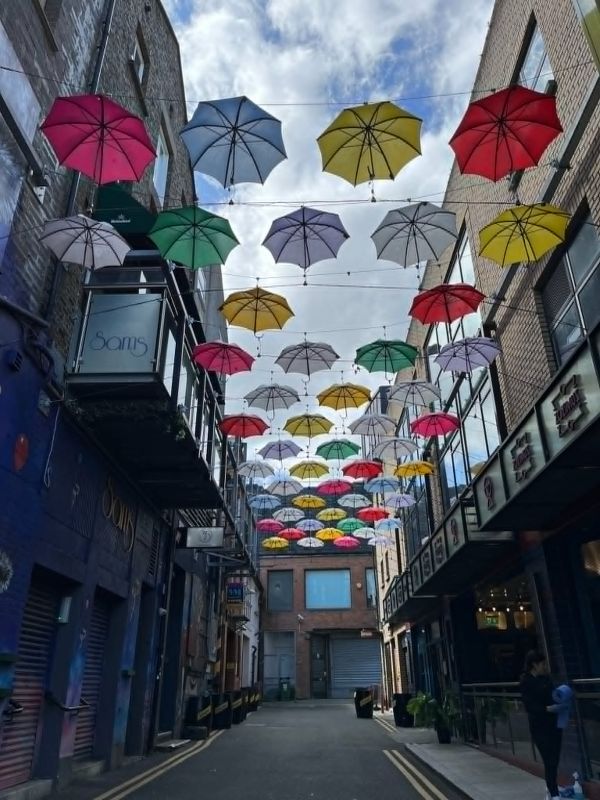


Days 1 & 2: Dublin
- Activities: Explore Trinity College and the Book of Kells, visit Dublin Castle, stroll through St. Stephen’s Green, and enjoy the Guinness Storehouse.
- Transport: Use Dublin Bus, Luas (tram), or DART (train) for easy navigation around the city.
Day 3: Wicklow Mountains & Glendalough
- Activities: Take a day trip to the scenic Wicklow Mountains and visit the monastic site at Glendalough.
- Transport: Book a guided bus tour from Dublin (a day trip that will bring you back to Dublin), as direct public transport is limited.
Days 4 & 5: Galway
- Activities: Walk along the Salthill Promenade, explore the Latin Quarter, and visit the Galway City Museum.
- Could do a day trip to the Cliffs of Moher from here (a guided tour like this one is your best option)
- Transport: Take an Irish Rail train from Dublin Heuston to Galway (approximately 2.5 hours).
Day 6: Aran Islands
- Activities: Visit Inis Mór, the largest of the Aran Islands, famous for its ancient forts and stunning landscapes.
- Transport: Bus Éireann or Citylink bus from Galway to Rossaveal, followed by a ferry to the islands.
Days 7 & 8: Killarney & Ring of Kerry
- Activities: Explore Killarney National Park, visit Muckross House, and take a guided tour of the Ring of Kerry (which includes Dingle).
- Transport: Train from Galway to Killarney via Limerick and Mallow; book a local tour for the Ring of Kerry.
Day 9: Cork & Blarney Castle
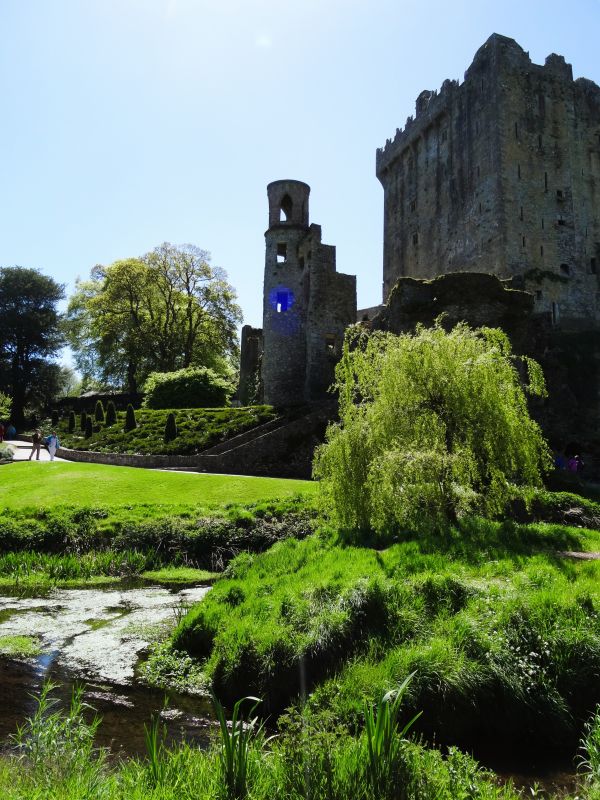
- Activities: Discover Cork City, visit the English Market, and kiss the Blarney Stone at Blarney Castle.
- Transport: Train from Killarney to Cork; use Bus Éireann to reach Blarney Castle.
Day 10: Kilkenny
- Activities: Explore Kilkenny Castle, wander through the medieval streets, and visit the Smithwick’s Experience.
- Transport: Train from Cork to Kilkenny via Limerick Junction; return to Dublin by train.
This itinerary allows you to experience a mix of urban culture, stunning landscapes, and historic sites, all accessible without the need for a car. Make sure to check the schedules of public transport in advance to ensure a smooth journey.
My Tips for Using Public Transport in Ireland
Traveling around Ireland without a car requires a bit of patience and flexibility, but it’s a rewarding way to see the country. Here are a few tips to make your journey smoother:
- Download apps: Websites like Omio or apps like Transport for Ireland and Moovit are invaluable for checking schedules, planning routes, and staying updated on any service changes.
- Check timetables: Services may be less frequent on weekends and public holidays, so always double-check timetables to avoid getting stranded.
- Buses can be unreliable in rural areas: Please remember that public transport can be very limited in the more rural parts of Ireland – think places like the Beara Peninsula in West Cork. So, you may need to rethink your itinerary.
- You will need to book some journeys in advance: For longer routes, i.e., like Cork to Dublin, you will need to book your tickets in advance as seats can sell out quickly.
- Chat with locals: Irish people are known for their friendliness. Don’t hesitate to ask for directions or recommendations – locals often have the best tips for hidden gems.
The joy of car-free travel in Ireland
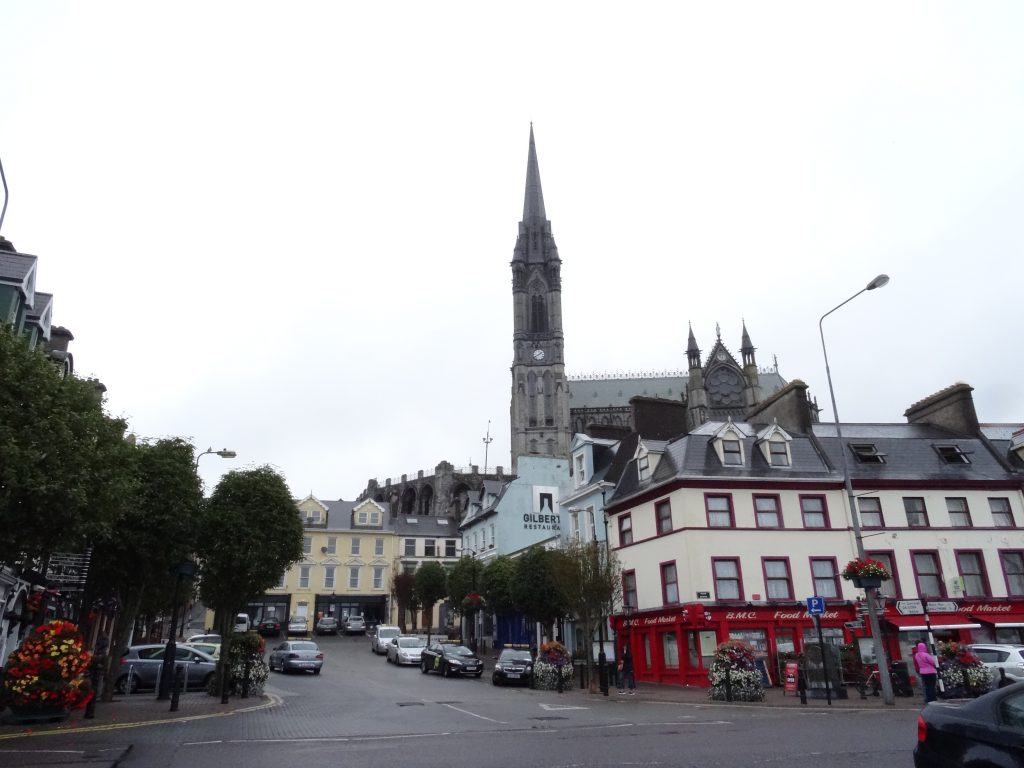
Traveling around Ireland without a car DEFINITELY IS possible. Bus Éireann has thousands of bus routes across the country, and the rail network is decent, although not as good/ big as other European countries. And the ferries are handy for getting to spots like the Aran Islands and Cape Clear.
Overall, public transport offers an authentic and eco-friendly way to explore this beautiful country. Plus, renting a car in Ireland can work out to be really expensive, especially in peak season (June, July & August).
You may also enjoy reading:
How to Spend 3 Days in Cork, Ireland: A Complete Guide
BEST Things to Do in Cobh, Ireland + What To Know Before You Visit!
The Best Beaches You Must Visit in West Cork
11 of the Coolest Holiday Homes to Stay in Ireland
Last Updated on November 20, 2026 by snaphappytravel