
Murcia is often overlooked as one of Spain’s hidden gems. But, I’ve had the pleasure of visiting this charming city many times, thanks to my family’s holiday home in nearby Alicante. And I must admit I adore spending time in Murcia. And so, in this guide, I’ve listed my favorite things to do with 3 days in Murcia.
It’s the 7th biggest city in Spain (by population size), but yet, as I said, Murcia is often skipped by tourists who instead favor the nearby beach resorts in Alicante or the buzzy city of Valencia, also close by. Which is a real shame!
One of Murcia’s greatest selling points is its remarkable 330 days of sunshine annually, making it an ideal destination for a sun-filled getaway. Fittingly nicknamed the Costa Cálida, or “warm coast,” the region offers over 330 kilometers of stunning coastline, making it a perfect haven for beach lovers.
So, let’s take a look at how we spent 3 days in Murcia recently.
Day One – Old Town, Murcia Cathedral, Santa Clara Monastery
Morning – Stroll through the Old Town
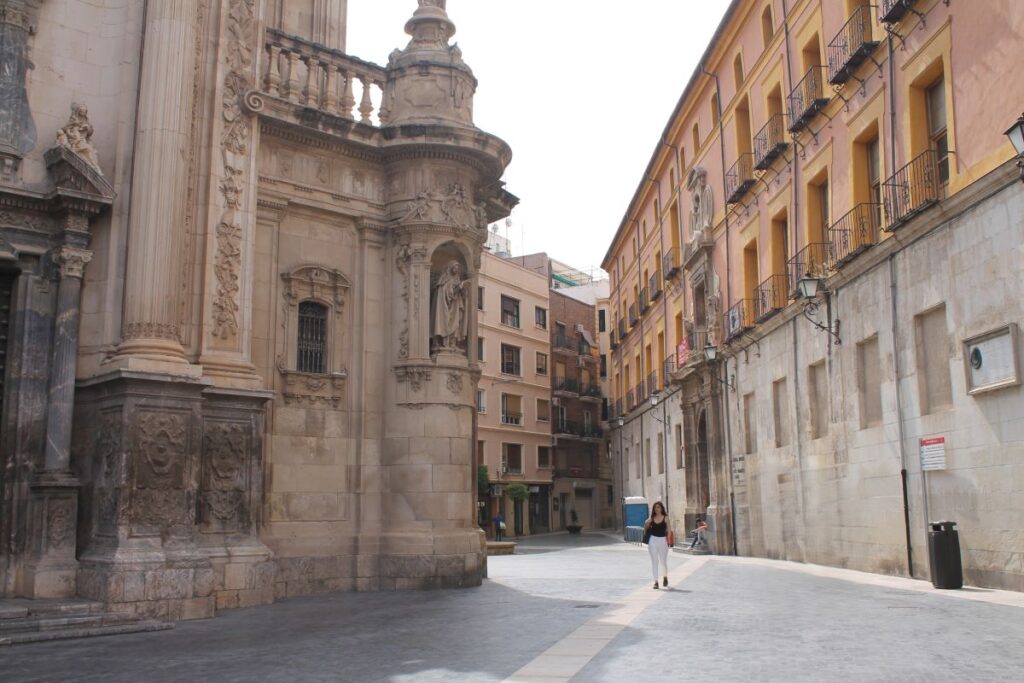
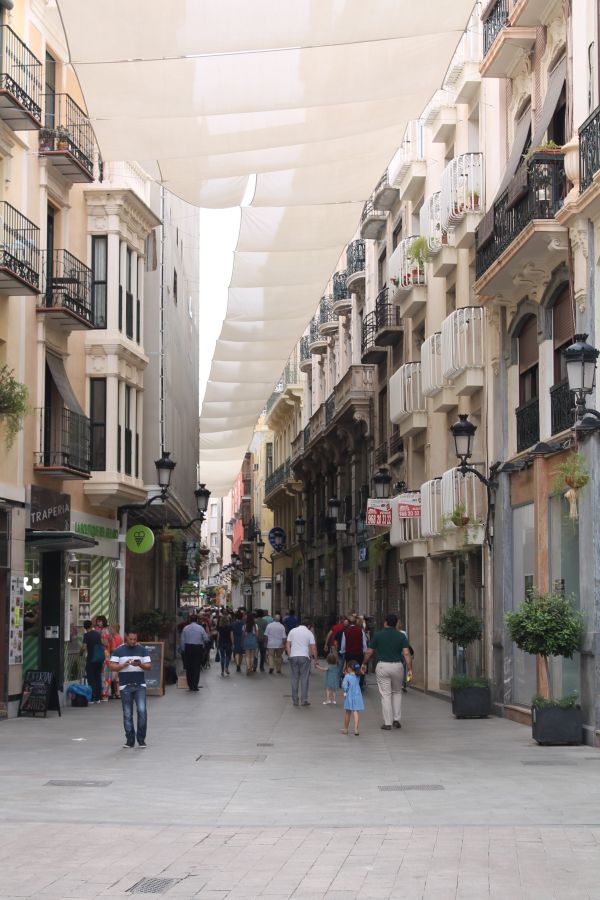
While you’re here, don’t miss wandering through the picturesque streets of the old town, where you can indulge in delicious tapas and local specialties like the famous “zarangollo.”
This area is the heart of the city, and it’s an Instagram-worthy blend of narrow winding streets, picturesque plazas, and stunning architecture. This is where you’ll find the Cathedral of Murcia and bustling plazas such as Plaza de las Flores or Plaza Santo Domingo.
FYI, we had some great coffee at CafeLab on Calle Apostoles, and we also had an awesome lunch at El Secreto in Plaza de Los Flores.
This morning, you should also try make the time to check out Floridablanca Garden. This lush, green oasis is named after the Count of Floridablanca, a prominent 18th-century Spanish statesman. The park is adorned with a variety of Mediterranean plant species that change with the seasons. Statues and monuments, including a notable statue of the Count himself, are strategically placed throughout the garden, too. We recommend taking a stroll through here with a coffee in hand.
And if you’re here on a Saturday, don’t miss the busy Veronicas Market; this is where locals shop for fresh produce, seafood, and other groceries.
Afternoon – Cathedral de Santa Maria (Murcia Cathedral) & Santa Clara Monastery
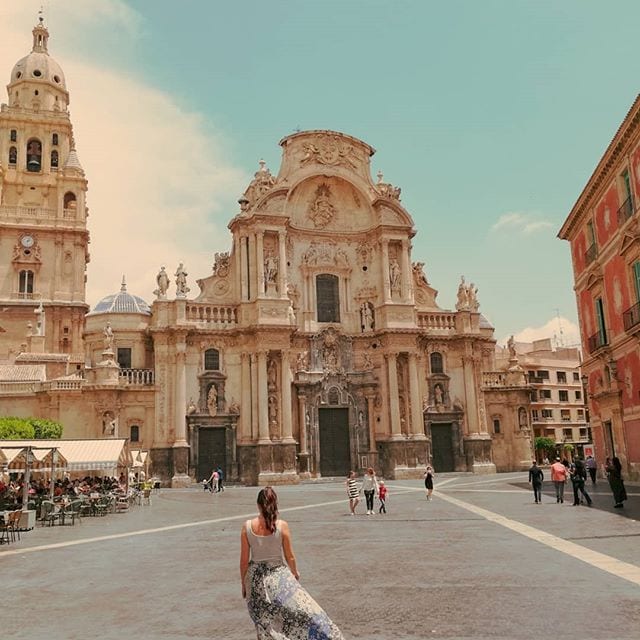
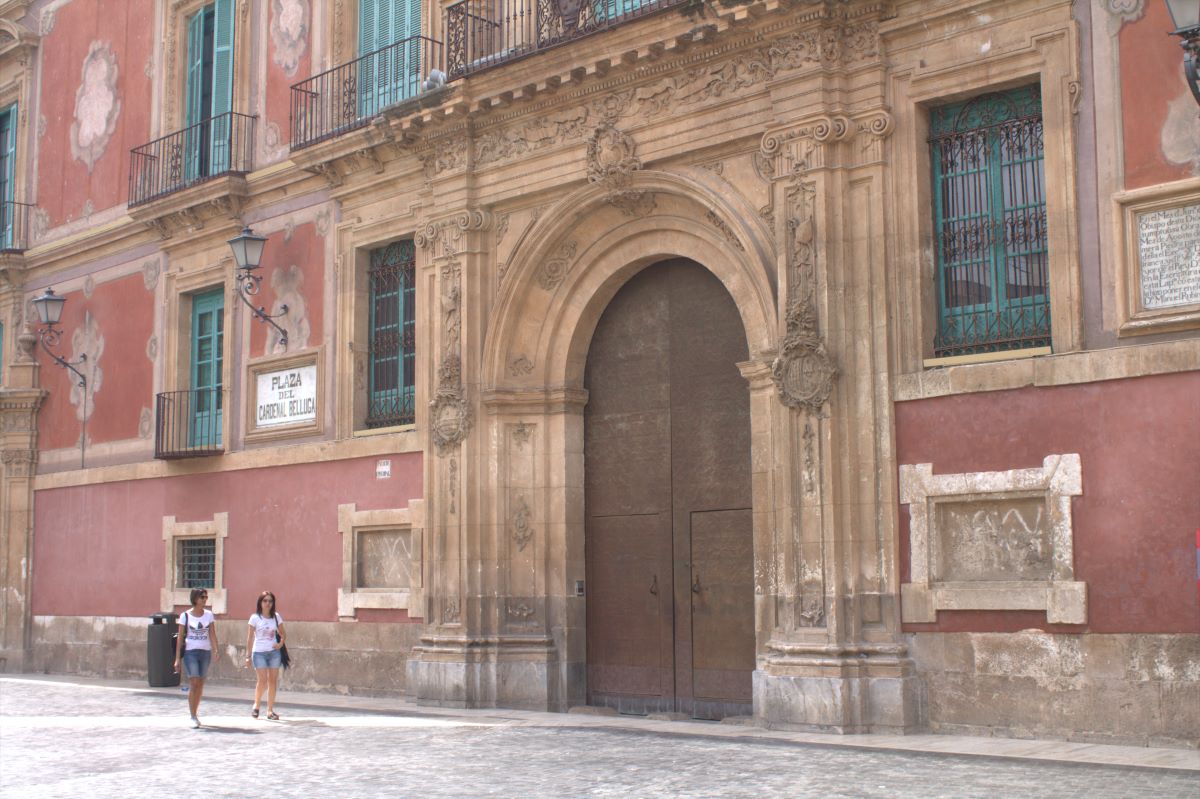
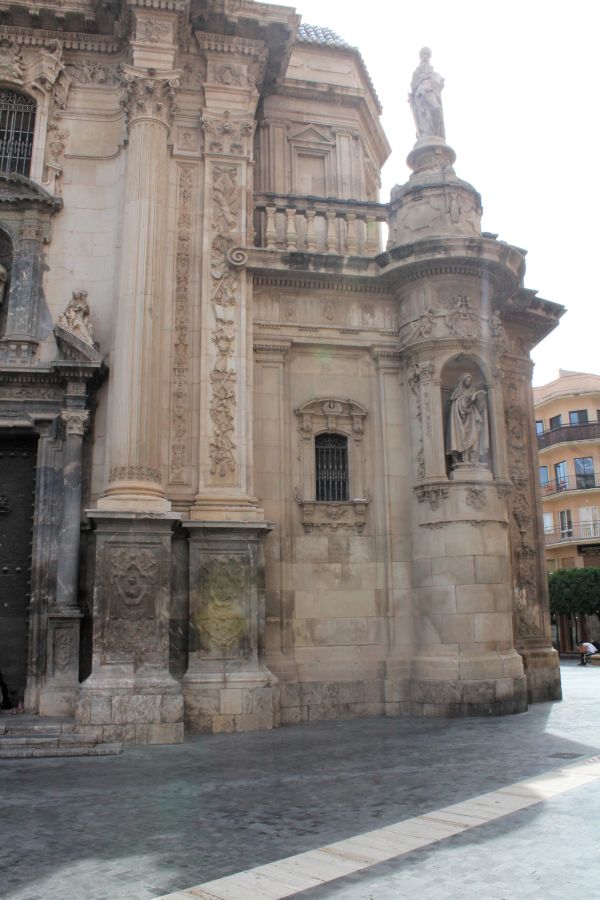
The beautifully artistic and baroque-style Cathedral de Santa Maria in the heart of Plaza del Cardenal Belluga is truly a sight to behold. Built in the 14th-century, the cathedral was a work in progress for approximately 300 years, resulting in a captivating blend of architectural styles, such as Baroque, Gothic, Renaissance, and Neoclassical influences.
The attached bell tower stands 90 meters tall and is the tallest of its kind in all of Spain. And you can also see the tomb of King Alfonso X here.
The plaza is also home to Murcia’s town hall, a modern structure with sandstone pillars crafted by Rafaël Moneo, and the exquisite 18th-century Rococo Episcopal Palace.
Santa Clara Monastery:

A hidden oasis within the city. The Santa Clara Monastery doesn’t look like a whole lot from the outside. But I promise that the inside is worth taking the time to step into. Steeped in history, it displays religious relics with both Arabic and Christian influences.
It also has a fabulous patio with a gorgeous turquoise pool – visitors can’t access the pool. However, you can admire the pool and take photos through the glass.
Entrance is free. Also worth noting is that there are not a lot of English descriptions for the relics and other items displayed within the Santa Clara Monastery. Almost everything is in Spanish, so you may need to use Google Translate.
Evening – Have tapas in Plaza de las Flores

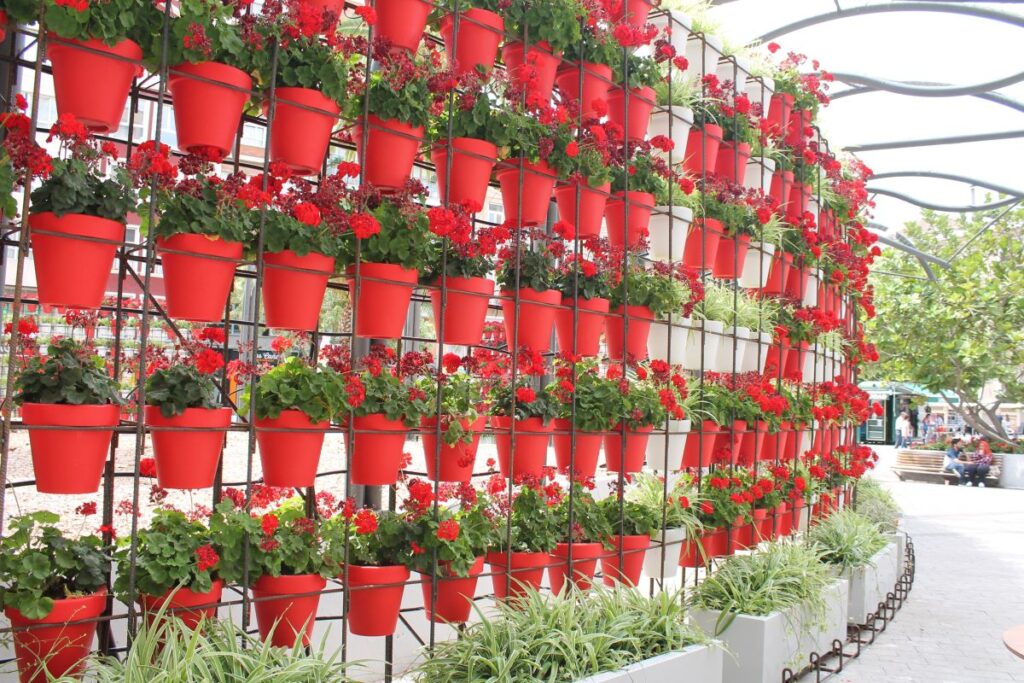
For your first evening in Murcia, I recommend heading for Plaza de las Flores – my favorite plaza in the city for an evening of people watching and delicious food. This spot is quite literally buzzing at the weekend, so if the weather is playing ball, be sure to grab a table outside.
Some of the best spots to savor the local cuisine and enjoy a lively atmosphere include El Secreto, La Tapa, and Los Flores Bar.
Day Two – Real Casino de Murcia, Museo de Salzillo, La Manga del Mar Menor beach
Morning – Real Casino de Murcia

Hidden away on Traperia Street, the Real Casino de Murcia is an eclectic but grand building. In fact, it was one of our favorite buildings to explore in the region. Many of the casino’s walls are covered with the most beautiful mosaics, and the whole building has a very Moorish vibe.
Spend over an hour here exploring the many beautiful rooms. One of my favorites is the ballroom, which has a spectacular chandelier gifted by the last king of Mexico.
Your €5 entrance fee includes a very educational audio guide.
This private walking tour visits the Casino as well as many other top sights in Murcia, such as the Murcia Cathedral. It’s 3 hours long, and as you walk through this gorgeous city, your local guide will provide commentary on the history and culture of Murcia. It costs from €250 per group.
Late Morning – Museo de Salzillo
This museum showcases the exquisite works of sculptor Francisco Salzillo, a prominent figure in Spanish Baroque art.
Known for his intricate and emotive religious sculptures, Salzillo’s art is deeply rooted in Spanish religious traditions and is especially celebrated during the Holy Week processions in Murcia. The museum houses an impressive collection of his work, including the famous “Paso de la Cena” and “La Oración en el Huerto”.
Afternoon – Head to a beach

Murcia is renowned for its great beaches, and I’ll be honest, we spent a big chunk of our time here lazing around on golden sand beaches!
One of our favorites is La Manga del Mar Menor, a unique coastal strip that separates the Mediterranean Sea from the Mar Menor lagoon. There’s plenty of water sports on offer here, and it’s also popular with families thanks to the (mostly) calm waters.
If you’re after a quieter experience, Calblanque Beach in the Calblanque Regional Park offers an untouched natural setting with golden sands and clear waters, and another gem is Playa de los Narejos in Los Alcázares, known for its lively promenade, excellent facilities, and a variety of beachfront restaurants.
Evening – Catch a show at the historic Romea Theatre
This evening, we recommend catching a show at the Romea Theatre. This historic theatre originally opened in 1862 and hosts an array of performances from drama and opera to concerts and dance throughout the year. Its neoclassical architectural style, complete with an elegant façade and opulent interiors, adds to its charm and allure.
You can check out what’s on at the Romea Theatre here!
Afterward, make a beeline for the Santa Eulalia neighborhood for a late dinner and some drinks. This charming spot has a cool mix of old-school Spanish buildings and modern touches, and it’s famous for its stunning landscapes, with rolling hills and lots of greenery. So end day two, savoring some tasty local food (we rate Restaurantes Murcia Conjugoo), and soak up the lively community vibe.

Day Three – Go on a Day Trip
For your last day in Murcia, we actually recommend going on a day trip to see the best of the surrounding area. There are two day trips that we particularly recommend. The first option is to head to the scenic Ricote Valley, and the second option is to explore the historic city of Cartagena.
Option 1: Day trip to the Ricote Valley

The Ricote Valley is the perfect getaway if you’re looking to escape the city for a couple of hours. As you drive through the valley, you’ll pass by cute little villages like Archena, Blanca, and Abarán. Each one has its own charm and offers a peek into the area’s Moorish past.
Stop off for an hour or so to stroll through the peaceful streets of Ricote, check out the traditional buildings, and pop into the historic Church of San Sebastián.
And if you love hiking, you’re in luck – there are some awesome trails here, so grab your hiking boots and wander through the lush orchards and along the Segura River.
You can also book a rafting tour along the Segura River, if you’re keen for some heart-stopping fun. It starts from the village of Blanca here.
Your best option is to rent a car to explore the Ricote Valley, as there’s limited public transport and guided tours to this off-the-beaten-path spot.
Option 2: Day trip to Cartagena
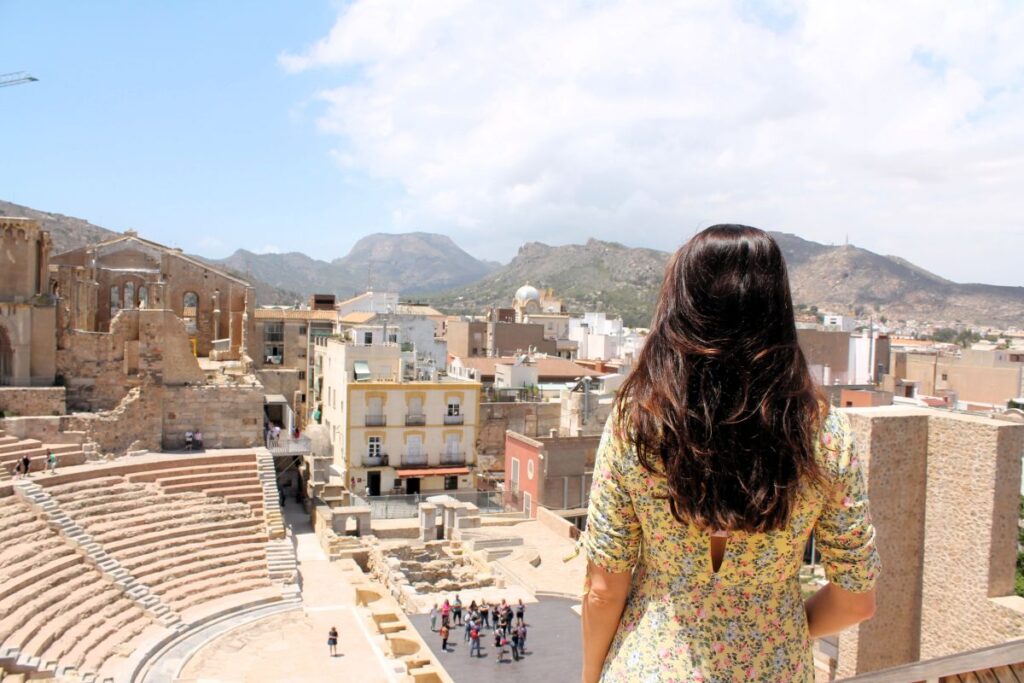
Cartagena is a port city with a large naval influence. And it’s located around a 35-minute drive from Murcia.
It is a very easy city to navigate. Everything is within walking distance. And even at the height of the summer school holidays, we found its streets to be relatively crowd-free. There are lots of activities in Cartagena that keep you busy for a couple of hours! Below, I’ve listed my favorites.
Checking out the Roman Theatre in Cartagena is the top thing to do here. It was built between 5 and 1 BC and was actually only uncovered in 1988 by local construction workers. Just recently, in 2008, they opened the museum. And today, you can pay for an audio guide and stroll around the ruins.
Entrance is priced at €6. Which I think is excellent value.
Or you can book this ticket which gives you access to 4 of Cartagena’s top sights, including the Roman Theatre. It costs just €21.
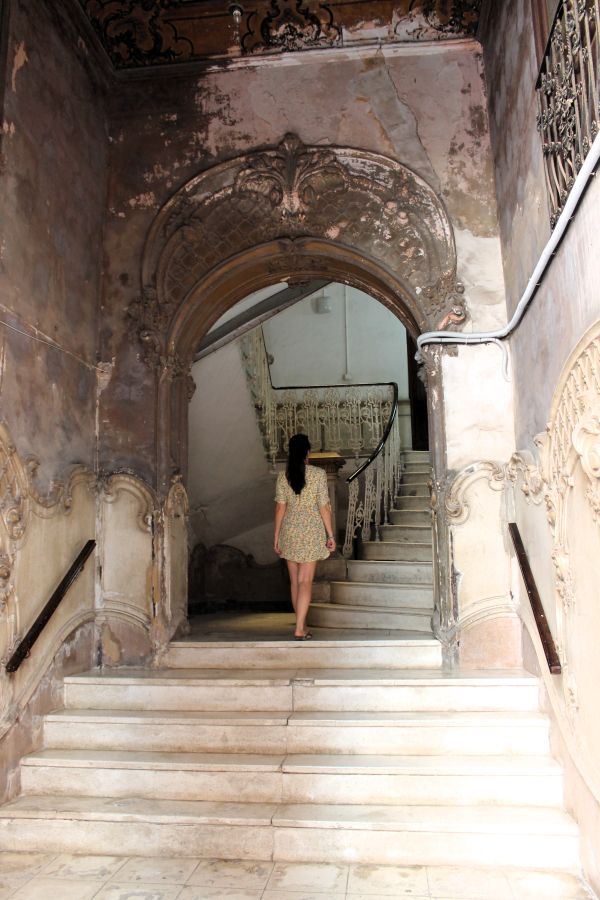

Another must-visit here is the Palacio Consistorial. It’s certainly one of the most beautiful buildings in Cartagena. The Palacio Consistorial is influenced by French design. Built between 1900 and 1907, it is located within the main town hall square. The interior is more modern than the early 20th-century styled exterior.
You can get an English guide upon entry to give you a tour of the interior. A short walk around the interior will give an interesting insight into the history of the palace.
You can catch a train from Murcia to Cartagena, which will take around an hour. Or you could rent a car and drive yourself (our recommendation).
Where to Stay in Murcia

We stayed at Hotel Cetina Murcia – this 3-star, stylish hotel is located in the downtown area and set back on a quiet street. Our room had a nice city view.
Another good option is the Doubletree by Hilton La Torre Golf Resort on the Costa Calida. This luxury 5-star hotel is set next to a lake and has a gorgeous infinity pool. It’s a 20-minute drive from the city.
Getting to Murcia:

Most tourists get here by flying into the Region of Murcia International Airport, which welcomes flights from across Europe. It’s about 25 kilometers from the city center so you can either rent a car, take a taxi, or take a bus to get to Murcia City. The bus stop in the passenger terminal is on the sidewalk, and there are two different buses that will take you to San Andres Bus Station downtown.
If you’re coming from elsewhere in Spain, then keep in mind that Spain’s extensive rail network connects Murcia’s main train station – Murcia del Carmen to major cities like Madrid, Barcelona, and Valencia. Buses are also a viable option from other Spanish cities, with several national and regional bus companies offering routes to Murcia from various parts of Spain.
💡 Helpful websites for getting to Murcia:
🛬 For flights, we always use Skyscanner or Cheapoair to find the best flights. It allows you to compare and book flights on over 500 airlines from across the globe.
🚗 For car rental, we tend to always book our rental car through Discover Cars. This is a search engine for rental cars and allows you to filter by price if you’re on a budget or by vehicle type if there’s a specific car you’re after.
🚕 Instead of cabs, we book with welcome pickup to get from the airport to our hotel. Why did we do that? The drivers from Welcome Pickups are English speaking and you’ll pay a flat rate. So, you know exactly how much you’re paying before hopping in.
Thanks for reading!

I really hope you enjoyed reading our guide to the best things to do with 3 days in Murcia. As I said, Murcia is one of the most underrated cities in Spain and I think you should visit soon before its popularity booms.
While you’re here, why not read –
10 pretty towns under a 2 hour drive from Malaga
Our Guide to 24 Hours in Malaga, Spain
The Ultimate Guide on How to Spend 2 Days in Alicante
Last Updated on April 20, 2026 by snaphappytravel