

Sweden’s public transportation is an efficient and reliable way for tourists to get around. Its comprehensive networks link major hubs with smaller towns, making travel without a car super-convenient. And understanding how public transportation here works is important for a positive travel experience in Sweden.
For many of us, navigating public transport in an unfamiliar country presents both opportunities and challenges. Luckily, Sweden stands out for its well-planned networks, user-friendly options, and city-to-village accessibility, providing an alternative to driving, especially during harsh winter months, when driving can be tough.
When you visit Sweden you’ll discover that planning and moving between regions is often easier and more flexible without a rental car. Because traveling by train, bus, tram, or ferry will help to alleviate any concerns about parking, local road rules, and cold/icy winter weather. And of course, it’s a more sustainable way to see the country.
Understanding the Swedish public transport system

Thankfully, Sweden’s public transportation system uses straightforward terminology that you should try to learn before getting here. Key terms like “zoner” or zones for fare calculation, “perrong” or platform for train or metro boarding areas, and “validering” or validation or “blippa” aka tapping, which refers to activating your ticket or travel card, will already be familiar to most of you.
I will also add here that Stockholm operates the country’s only metro system (known as SL or Tunnelbana), with over 100 metro stations in the city.
Recognizing peak times (which are usually weekday mornings and late afternoons) means a crowd-free and typically faster travel experience.
There are a couple of ticket types and passes, such as single journey tickets, day passes for unlimited local travel, and multi-day cards, which are ideal for extended stays. And which one you choose depends on your itinerary and how often you plan to use public transport during your vacation.
And keep in mind that following Swedish public manners rules when using and waiting for public transport is important. Queuing at stops is expected; be prepared to wait your turn for boarding and allow passengers to exit before stepping on. If available, use quiet cars for reading or resting. In some cases, cash is not accepted on board, so prepare to use a credit/debit card or app-based tickets.
Keep your belongings close to avoid obstructing others. On trams and buses, designated spaces accommodate strollers and larger bags, though during peak travel times these areas can fill quickly.
Apps will come in handy!
Digital infrastructure plays a central role in Sweden’s public transportation experience, too. Most operators have mobile apps that provide real-time updates, a journey planner, and the option to buy tickets. They also often display live departure times, platform changes, and service disruptions, and so they really are invaluable to tourists. Many apps also support English and other languages!
Downloading the relevant apps before your trip and familiarizing yourself with their features will enhance your travel experience and help you respond quickly to unexpected changes in schedules or routes.
Search for prices and journeys in Sweden:
Getting trains between cities
Trains are an efficient solution if you want to travel longer distances. I always prefer to travel by train when possible, as I can relax and enjoy the views from my comfortable seat.
The state operator SJ AB offers high-speed train service to all major Swedish cities as well as to neighboring countries such as Denmark and Norway. FlixTrain also offers services between major cities.
When booking, you’ll come across both reservation-only trains and flexible open-seating services. Reserved seats equal certainty, particularly on popular routes or during holidays, while flexible tickets offer freedom if your schedule is unpredictable.
Tickets typically display a seat number if pre-assigned, so check carriage and seat details ahead of boarding. Onboard, Wi-Fi may be available, but it cannot always be guaranteed, and connectivity can fluctuate in remote areas. Food options range from trolley service on local routes to dining cars on longer trains. And bringing your own snacks is helpful in case of long delays or transfers.
Sweden’s trains operate on time for most of the year, though winter weather can occasionally cause disruptions. If you’re not used to snow, plan for services to take longer and pack appropriately for colder waiting periods, as platforms and stations may experience delays when the weather is bad.
Regional transport options (trains and buses)

Regional buses and trains extend the reach of Sweden’s metro train system, bringing smaller towns and scenic landscapes within easy access. These options are useful for day trips to nature reserves, lakesides, and heritage sites outside larger cities, and are often the only way to get to them without a car.
In regards to buses – FlixBus, VY, and Ybuss link major cities, while regional and local transport services, along with specialized providers like Flygbussarna for airport transfers.
As for regional trains, popular companies include MTRX, SJ, and FlixTrain.
This advice goes for both trains and buses; allow some buffer time between services, as services may be less frequent in the countryside, and transfer windows can be short at times.
On weekends, holidays, or during off-peak seasons, timetables may change or be significantly reduced. So, check departures in advance and be prepared for limited departures outside the cities.
Regional routes may also feature smaller vehicles or request stops, indicated by signs or by signaling the driver. Familiarizing yourself with these practices ahead of your trip helps ensure smoother travel, especially in rural areas.
Navigating urban systems (metro and buses)

Most of you will use a combination of metro, tram, bus, and local commuter rail networks whilst in Sweden. And so here are my top tips that will be useful for all of the above –
- Payment is typically managed via travel cards or phone-based ticketing apps. If you’re worried about not having a mobile data connection, then download your tickets in advance or use the machines at stations.
- Accessibility is a priority in most public systems, with low-floor vehicles, ramps, and lifts at larger stations. Families with children or travelers with mobility needs will find step-free access and helpful signage, though some stairways or gaps remain at older stops.
- Most trains and buses here post clear information about stops and route numbers on stands and digital displays. Take note of your destination’s name and the line’s terminus to avoid confusion, as routes may branch or split after the city center.
Taking ferries in Sweden
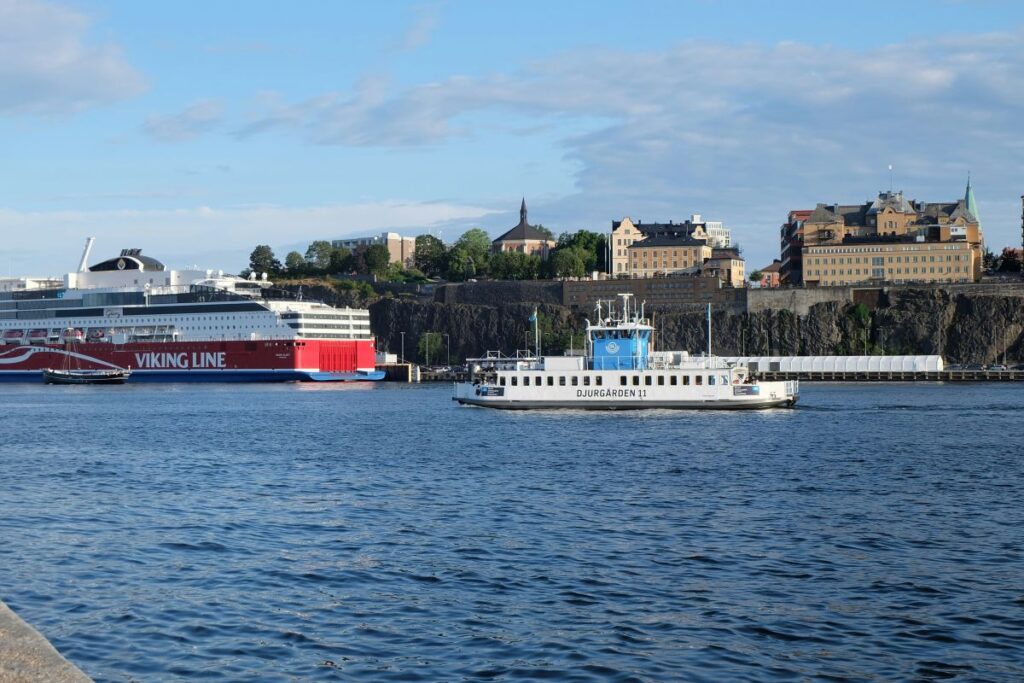
In coastal cities like Stockholm, Gothenburg, Trelleborg, and Karlskrona and around major lakes, ferries often function as part of the public transport network.
Most are operated by Ferries Sweden, and schedules vary with the seasons. Weather may impact service frequency or cause cancellations, particularly in winter. Ferries usually offer more departures in summer months, while timetables can be limited in colder seasons. Always check the latest information before you go.
Boarding ferries with bikes, strollers, or excess luggage is generally straightforward. Designated areas are provided for these items, but space may be limited on busy sailings. Be prepared to load and unload quickly, especially on multi-stop routes with short turnaround times.
Onboard comfort varies between vessels, and boarding is typically handled with card or app payments. It’s usually no cash on public transport here. Also, plan ahead for changing weather and keep essentials like water and jackets easily accessible during your journey.
Thanks for Reading!
I hope this guide has helped you understand Sweden’s public transport system. For the most part, we found it to be cheap (for Northern Europe), efficient, and easy to use.
Last Updated on April 13, 2026 by snaphappytravel