
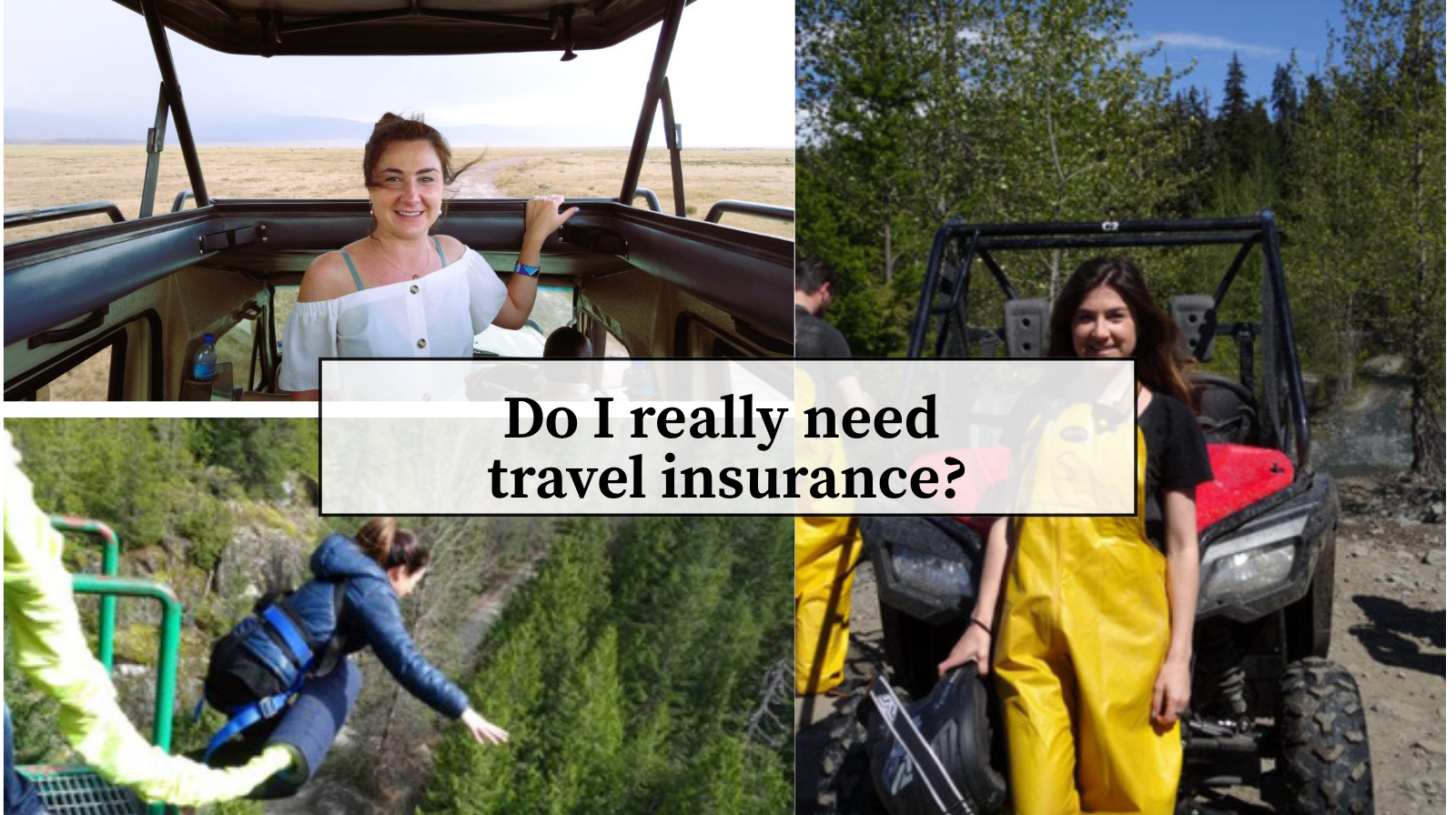
I know, I know, looking into travel insurance is not the most exciting part of traveling, but you should never skip it, as it can be a big mistake. Even if you are healthy and young, accidents can happen. For example, you might get food poisoning, require emergency treatment, or break a bone. Believe us when we tell you that medical bills abroad can get expensive very fast.
So yes, I’d go so far as to say that travel insurance is a must for any trip, but finding the right policy for your vacation can be confusing, and hopefully our experience with travel insurance and our research into the best plans that we’ve covered below will help you out!
As I always say, no trip is the same, so your travel insurance shouldn’t be either!
What exactly is travel insurance?

Travel insurance acts as a vital safety net, covering a wide range of unexpected events and emergencies to ensure your journey remains enjoyable, even when faced with challenges.
And while you aren’t legally obligated to purchase travel insurance in most destinations, it is strongly advised. However, it’s important to note that in certain destinations, having travel insurance is mandatory; these include: Cuba; Qatar; the UAE and the Schengen Area in Europe (only applicable if you need a Schengen visa to enter)
It can shield you from hefty medical expenses, emergency repatriation, trip cancellations, and lost luggage. The need for insurance largely hinges on your travel destination, existing coverage, and potential financial risks.
While it might feel like an extra cost, investing in travel insurance is a wise move that could be a real lifesaver during your vacation. It protects you from unexpected hiccups, like high medical bills, unexpected trip cancellations, or misplaced luggage, ensuring you can handle surprises without a hefty financial hit.
Our experience with travel insurance:
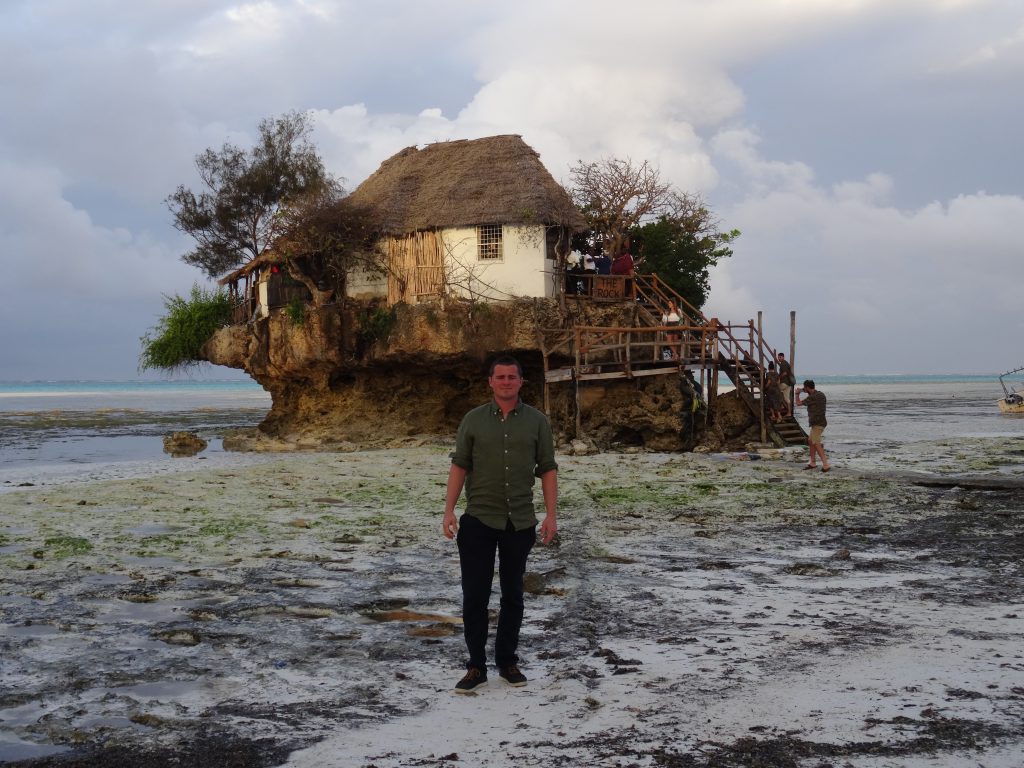
We have been traveling for 15 years and visited over 50 countries, and we have been very lucky that we have had to claim from our travel insurance only twice. Both were minor situations, and both times it was my husband who fell ill (unlucky for him). The first time was when he got severe food poisoning in Cambodia, and the second time with a very bad throat infection in Zanzibar. Both times the doctor recommended claiming on our insurance (we were with World Nomads) as it would work out better for us.
To claim on our travel insurance was pretty easy; we called our insurer to inform them, and they advised us to fill out the claim form online and attach any supporting documents (in our case the receipt from our doctor and the receipt from the pharmacy for the medication). We needed to do this within 30 days, and we received the money back after a further 30 days.

Comparison sites are a great tool if you’re unsure…
If you’re unsure what insurance provider to go with (there are A LOT), then a comparison website like Visitors Coverage or Travel Insurance Master may be a good place to search for the exact plan you want. These comparison sites show the best plan for you depending on where you’re going and what filters you put on.
- Visitors Coverage – Provides travel insurance to customers in over 175 countries. It assists travelers in comparing and purchasing coverage online from top insurance providers. They offer specialized plans for medical, visitor, and trip-related protection. The United States, Costa Rica, and Turks & Caicos are among their key destinations. Their most popular travel medical plans include CoverAmerica-Gold, Patriot America Plus, and ChoiceAmerica.
- Travel Insurance Master – On their site, you can compare the plans side by side so you can get the best insurance for your particular trip!
What should travel insurance cover?
Here is a detailed look at the main areas of coverage offered by travel insurance. Also, before choosing a policy, double-check and ensure that it covers the countries you will be visiting and also includes the type of activities that you will be doing, like riding, hiking, and adventure sports:
Trip Cancellation/ Delays:
The unpredictability of life highlights the importance of trip cancellation coverage within travel insurance. If you need to cancel your trip due to unforeseen circumstances such as illness, injury, or a family emergency, this coverage can reimburse you for non-refundable travel expenses.
Also, if your travel plans are disrupted (or delayed) by airline delays or sudden illness, insurance can compensate you for non-refundable expenses like flights, hotels, or tours.
Medical Emergencies:
Falling ill or getting injured abroad can result in medical bills and repatriation costs that reach thousands of dollars.
And travel insurance is essential for providing comprehensive protection against unforeseen medical emergencies while you’re traveling. If you encounter illness or injury during your trip, your policy may cover hospital visits, emergency medical treatments, and even evacuation if necessary.
For example, a lot of insurance providers offer emergency medical and repatriation coverage up to €10,000,000, ensuring you receive the care you need without the burden of exorbitant medical expenses abroad.
Lost/ Delayed Luggage:
It should also provide compensation for lost, stolen, or delayed baggage and personal belongings during your trip.
Sports/ Adventure Activities:
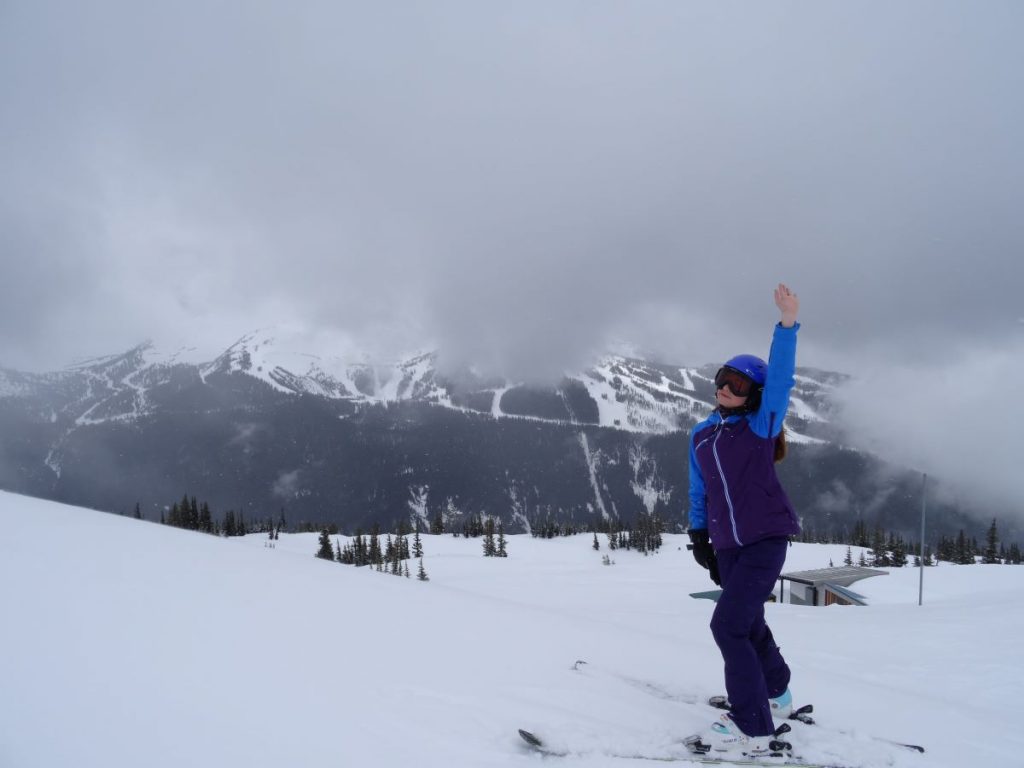

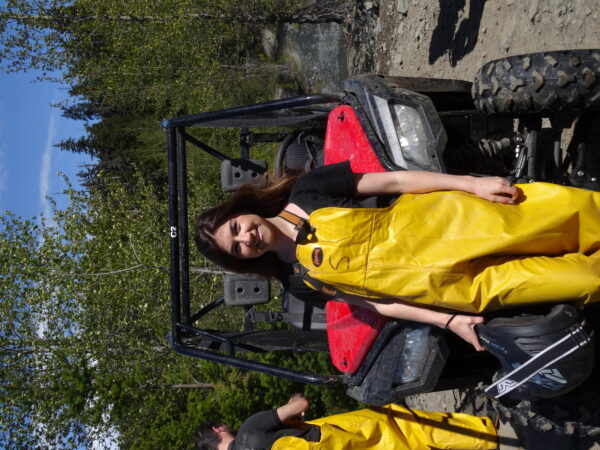
Travel insurance is a safeguard for adventure lovers (like us) who love to participate in exhilarating activities like skiing or skydiving, as it gives coverage for possible injuries sustained during these adventures.
BUT, it’s important to understand that not all standard insurance plans automatically offer this specialized coverage, so it’s vital to ensure that your policy includes sports activities!
It’s true that most standard travel insurance policies will cover the majority of sports and activities – things like kayaking, cycling and hiking on recognised routes. But if you plan to do extreme sports like quad biking, skydiving, paragliding, etc., then you will need to add on extreme sports to your travel insurance or go with a company that specializes in this, like World Nomads.
Also, you may need to look into getting winter sports insurance if you plan to go anywhere that you’ll be skiing or doing any other winter sports – we needed this for Whistler, Canada.

We also needed to get specialized insurance for our African safari as plans must include high-limit emergency medical evacuation and coverage for remote bush activities like game walks. Top providers offering tailored plans for Africa include World Nomads (and this is who we used).
Tips before you buy travel insurance
- Review your existing policies first, as many premium credit cards include travel protection if you use them to book your flights. If you live in the EU/EEA, carry a valid European Health Insurance Card (EHIC) for state healthcare, keeping in mind that it doesn’t cover trip cancellations or medical evacuations.
- Compare plans to avoid redundant coverage – For international trips, it’s generally wise to choose a policy with at least $1 million in medical coverage. As I said earlier, comparison tools like Visitors Coverage and Travel Insurance Master can help you evaluate policies from different providers.
- Check the insurer’s reputation and read customer reviews to gauge their reliability and customer service quality.
- Make sure to add on adventure sports or winter sports to your policy if you plan to do them.
Best travel insurance providers we’ve used
- World Nomads – this one is best if you plan to do adventure sports or winter sports activities. We’ve purchased a policy with them numerous times – namely for Whistler, Canada and our honeymoon in Africa.
- Auras – this is a great budget-friendly option and policy rates start from just €1.50 a day. They offer policies for every country in the world and for all ages (from 1 to 100 years). And you can get 10% off their plans with this code: WRTY100489
Thanks for reading!
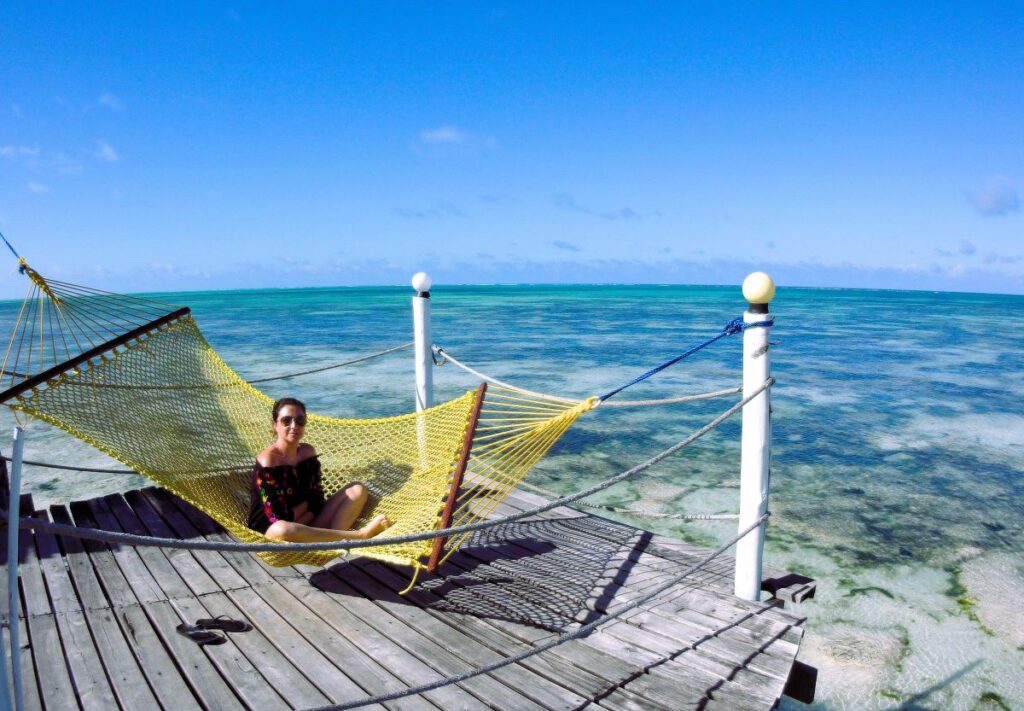
At first glance, skipping travel insurance may seem like a great way to save some money. However, if you end up losing your luggage, having your flights cancelled, or getting sick – it is a decision you’ll probably regret. Thinking nothing will happen is definitely a mistake, and without travel insurance, it’s one that will end up costing you – big time.
You may also enjoy reading –
Everything You Need to Know Before Becoming a Digital Nomad (By a Travel Blogger)
My experience using Pocket WiFi when traveling
What is an eSIM and how do I use it? (My Honest Review of Using an eSIM for Travel)
Last Updated on July 25, 2026 by snaphappytravel